What is color scouting?
What is color scouting?
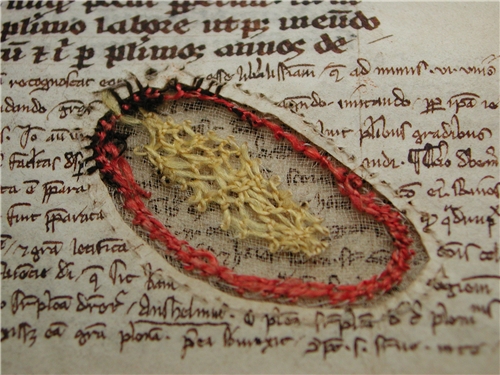
Photo: Uppsala University Library
I am always inspired by the artistic work of the medieval monks. The patience and dedication that they practiced in hand writing manuscripts was an act of worship and it shows. Their penmanship is an art form all on it’s own, and the illuminations are incredible. I am inspired by the devotion of the monks who faithfully sought to honor God by hand writing the bible in hopes that others would be able to read God’s words.
They used parchment when making these ancient books.
Parchment is a thin material made from hide; often calfskin, sheepskin or goatskin, and often split. Its most common use was as a material for writing on, for documents, notes, or the pages of a book, codex or manuscript. It is distinct from leather in that parchment is limed but not tanned; therefore, it is very reactive to changes in relative humidity and is not waterproof. Finer-quality parchment is called vellum. – Wikipedia.
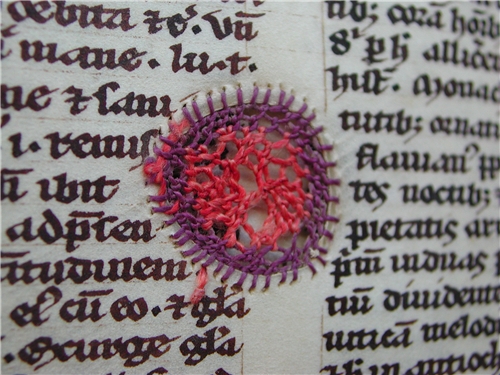
Photo: Uppsala University Library
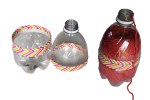
Often there were small holes in the parchment that was made. After a book had been written, the monks would then go back and “repair” these holes by embroidering around the edges with silk thread. The result is beautiful!
You can read about this method in more detail at Uppsala University Library.
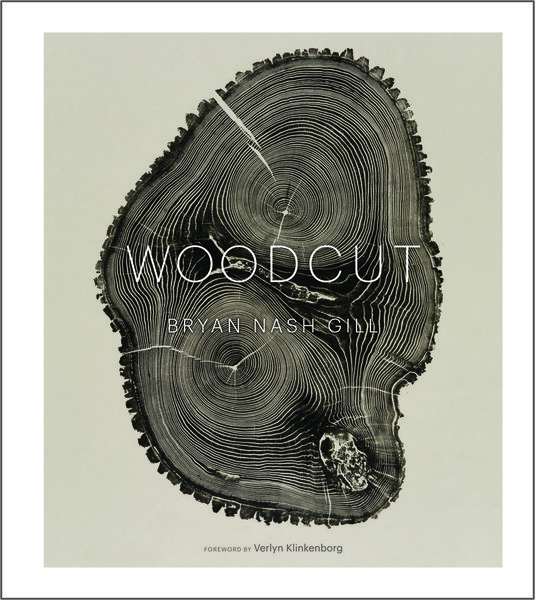 Artist Bryan Nash Gill is making relief prints from the cross-sections of trees. The results are amazing and inspirational.
 The artist begins by selecting a specimen from an old mill that is located next to his studio. The wood is then prepared for print making. The surface of the wood is covered with ink. A sheet of handcrafted washi paper is laid across the surface, and using a laborious rubbing technique developed by the artist himself, the texture of the wood is transferred.
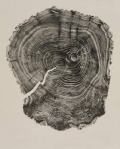
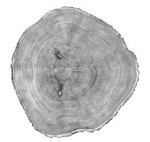
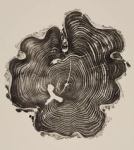
His artwork is currently on display at the Chicago Botanical Garden, Chicago, Illinois

 I’d like to quote a blog post that I read this morning from Science major that draws.
” . . . My point is that I enjoy drawing comics but I still didn’t quite understand what role that gave me in society. Scientists gather information for the public to use. Government officials provide a system of rules for the public to utilize.What do artists do for the public?
Answer 1: We distract them from their problems.
While that is a noble endeavor because it provides people relaxation, sometimes artists can be blamed for propagating escapism in our audience. Taken to the extreme, some people could end up admiring artwork all day instead of solving their problems.That might fill up the artist’s wallet but may or may not help society.
Answer 2: We educate them.
Some artists like to use their influence to communicate information about certain things to the public. This could be historical artwork or artwork that takes a stab at social issues or maybe even scientific illustrations. Though this information may also have negative uses such as war propaganda,hate speech or satire.
So that concludes this blog entry. Next time you see an artist thank them for distracting you from your problem and educating you. They won’t realize they’re doing it. “
Adding to this list:
Answer 3: We offer people an opportunity for expression.
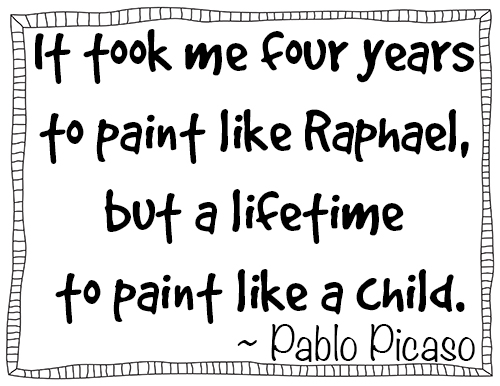 Sometimes a person can better express what they are going through with art than with words. This is especially true with children who often lack the vocabulary to express what is going on. The difficult part for adults is pushing past the fear of failure, and not caring so much about the finished piece of art .
Answer 4: We challenge people to push boundaries and to think outside the box.
Artists are a breed of people who do not like to face limits. We tend to question the way things are, how history played out, and how the future could be different. We ask controversial questions. As artists, we challenge others to push their limits, and to step outside their comfort zone.
Answer 5: We record history.
For centuries the average person was unable to read. It was the artists who were able to record, and therefore, preserve history.
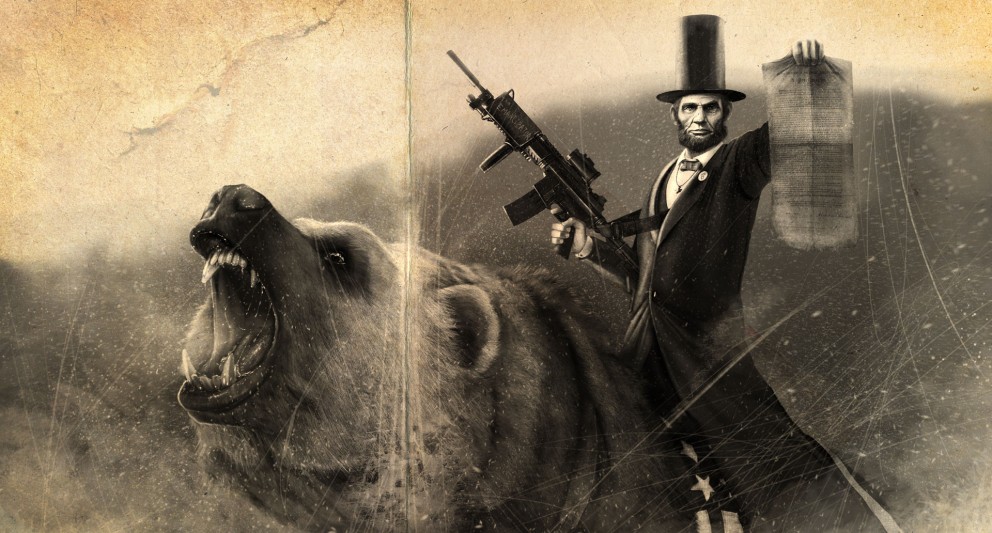 Answer 6: We give society a voice.
Throughout history, and even in some societies today, people do not have the freedom of speech. It has been through art, that people were/are able to express themselves without the risk of punishment.
Is there anything you would add to the list?

What is color scouting?
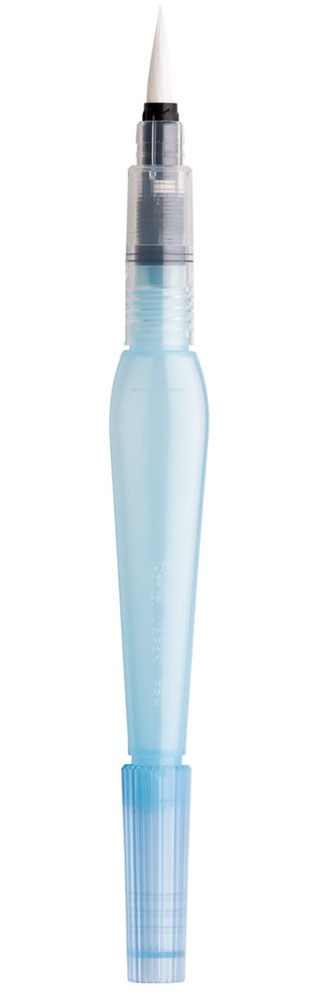 Water color painting is something that I’ve wanted to learn more about for a long time. I’ve done a lot of painting with acrylics, but every time I’ve tried to play around with watercolors, it has been a frustrating experience. It’s taken me awhile to appreciate the fluid characteristics of watercolors, but I still have not been able to find a level of control and comfort when using these paints until now.
Recently, I purchased an aquash brush made by Pentel, and have been playing around with it in my journal. Already, I feel like I have better control with my brush strokes, and more consistent colors. I went out and bought 2 more so that the kids could each use one while we were in Alaska. They too have been painting more often and have grown in their skills. I love how easy it is to pack up all that we need for painting on the go. The kids can even paint in the back seat of the car, & I don’t worry about finding a big mess later.

Happy August to you.
We’re going camping this weekend & I can’t wait! See you back here next week.

1. Playin’ Hooky Disc by Liz McQueen
2. Burr by Veronik Avery
3. Camp & Trail Socks by Lydia Gluck
4. Rugged Camper Cookset by Marie Greene
5. Ledge Trail Vest by Elizabeth Smith
6. Twisted Ankles by Lee Meredith
7. 2-tier Picnic Organizer by Uma Padu
[] :: [] :: [] :: [] :: [] :: [] :: [] :: [] :: []
This is a great project to do with kids while camping!

Snake grass likes a lot of moisture, so look for it near wet areas like creeks, rivers, lakes, ponds, and marshes. You will only need one long one that has at least 3 sections to it.
Yarn
Scissors
Yarn needle (optional)
1. Find a strong reed of snake grass and take it apart into it’s sections. Make sure that it is big enough to fit the yarn inside.
2. The center of each section has a small “plug”. I was able to use my scissors to scrape it out. You could also use, a yarn needle or even a small piece of driftwood. You’ll find that each section also tapers a little where it joined the section below it. I used my scissors to cut of this section making it easier to slide up and down my yarn.
3. Decide how wide you want your weaving to be. The more strands that you have, the wider the weaving will be. Cut the yarn to the desired length and tie all the strands together. Thread each strand of yarn through one section of snake grass.
4. Tie the working yarn to the last strand, and begin weaving. When you are running out of snake grass, simply slide each section down to provide more work space.
When you have finished, pull the snake grass off and tie the ends together. I just used one big knot to finish, but if you are doing a wider weaving, you may want to do several smaller knots across the bottom.
Have fun!
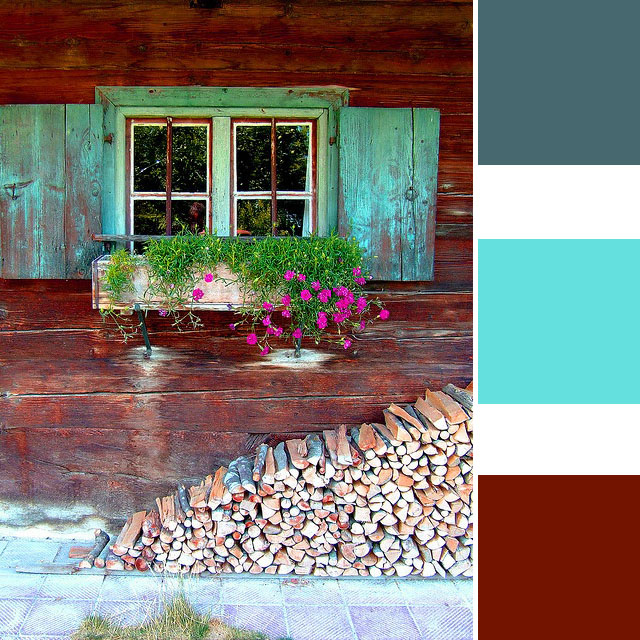
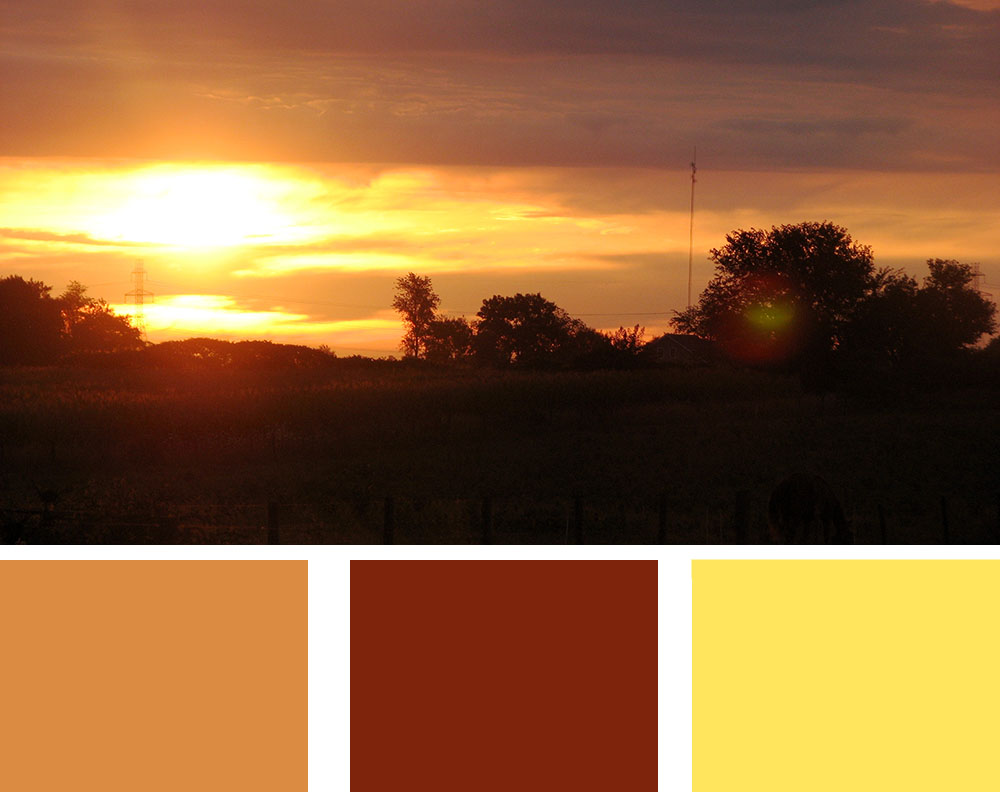
I didn’t take this photo. I stumbled upon it on Pintrest & was instantly smitten with the colors. I couldn’t resist sharing it with you here on Color Scouting.
What is color scouting?
 I need some help coming up with a name for this art piece. I am going to be submitting it for a fundraiser benefiting our local hospital’s cardiac unit. Any suggestions that could relate this picture to heart health?
 artbycarriejoy.com