

A Bucket List For Autumn
This time of year usually finds me in a panic as I try to squeeze in just one last visit to the beach, one more visit to our favorite ice cream shop & one last camping trip before the air turns cold. Summer always seems to slip by me so quickly that when September rolls around, I am taken by surprise. Knowing that it will be many months before it is warm enough to swim in the lake again is always a hard fact for me to swallow.
So in an effort to stop and enjoy the season we are in right now, I’ve compiled a list of all the things that I LOVE about autumn and look forward to in the coming weeks.
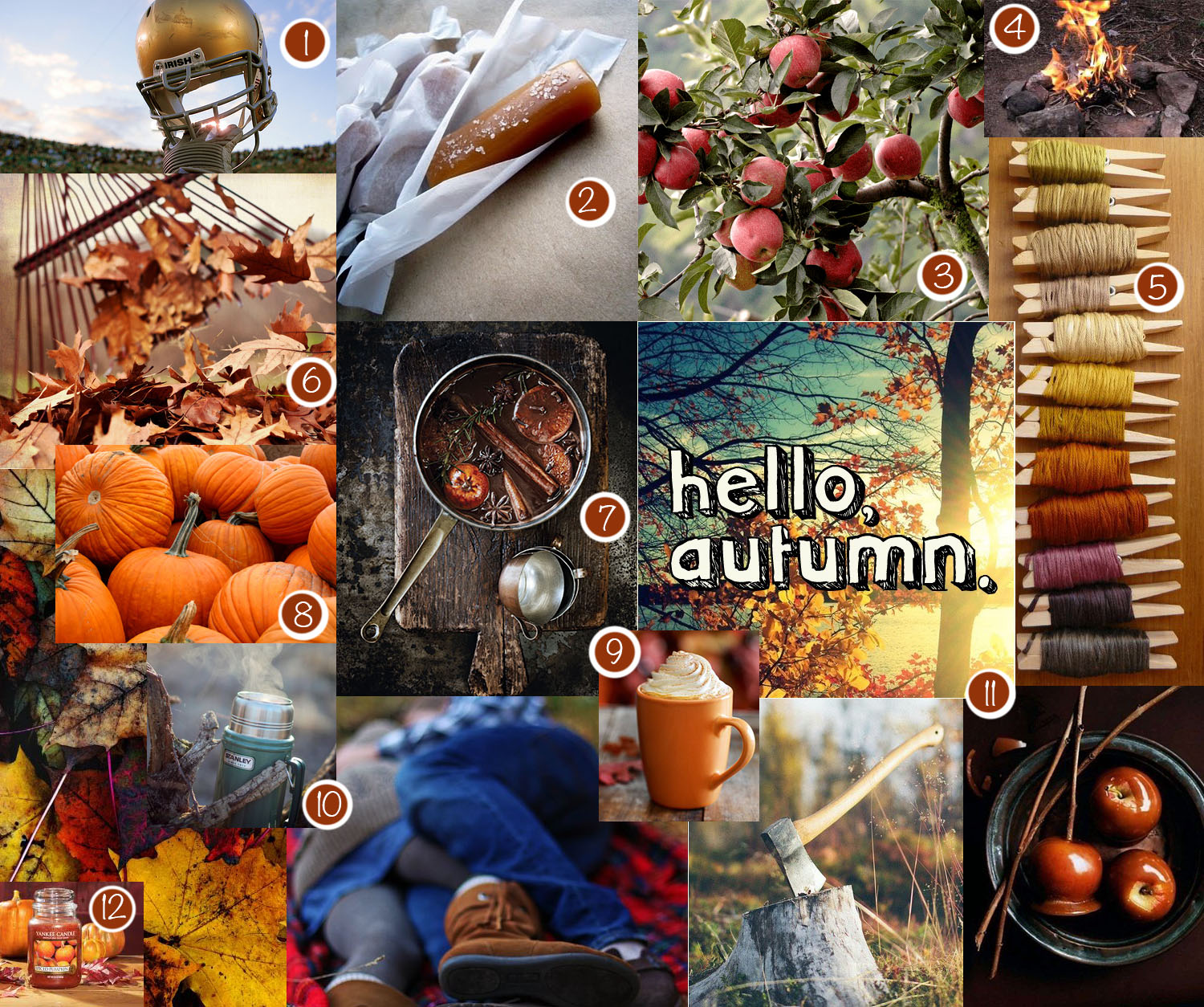
1. Watch Notre Dame Football games at Poppy & Grammy’s
2. Make homemade caramels ~ yum!
3. Pick apples
4. Evening bonfires
5. Knit!!!
6. Rake up leaves & play in the pile
7. Make mulled cider
8. Go to the pumpkin patch
9. Drink Pumpkin Spice Lattes
10. Go on a hike & snuggle in the woods
11. Make caramel apples
12. Burn my Spiced Pumpkin candle
What do you enjoy most about Autumn?
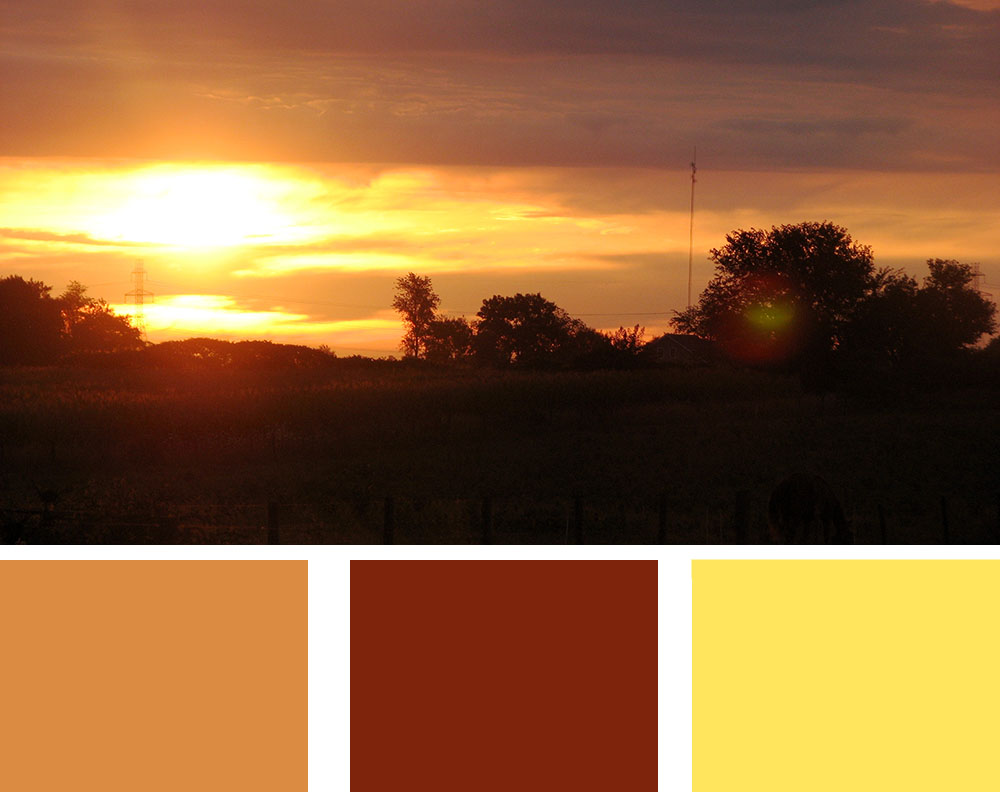
Color Scouting: Orange Sunset
What is color scouting?
Medieval Book Repair
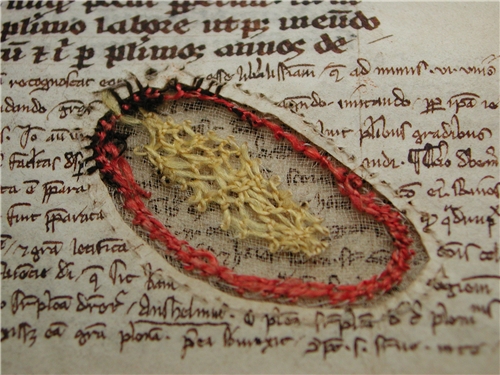
Photo: Uppsala University Library
I am always inspired by the artistic work of the medieval monks. The patience and dedication that they practiced in hand writing manuscripts was an act of worship and it shows. Their penmanship is an art form all on it’s own, and the illuminations are incredible. I am inspired by the devotion of the monks who faithfully sought to honor God by hand writing the bible in hopes that others would be able to read God’s words.
They used parchment when making these ancient books.
Parchment is a thin material made from hide; often calfskin, sheepskin or goatskin, and often split. Its most common use was as a material for writing on, for documents, notes, or the pages of a book, codex or manuscript. It is distinct from leather in that parchment is limed but not tanned; therefore, it is very reactive to changes in relative humidity and is not waterproof. Finer-quality parchment is called vellum. – Wikipedia.
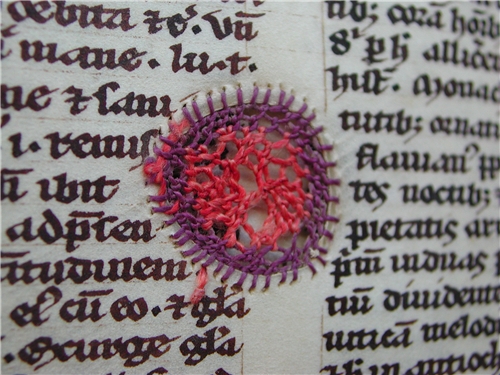
Photo: Uppsala University Library
Often there were small holes in the parchment that was made. After a book had been written, the monks would then go back and “repair” these holes by embroidering around the edges with silk thread. The result is beautiful!
You can read about this method in more detail at Uppsala University Library.
Woodcut Relief Prints
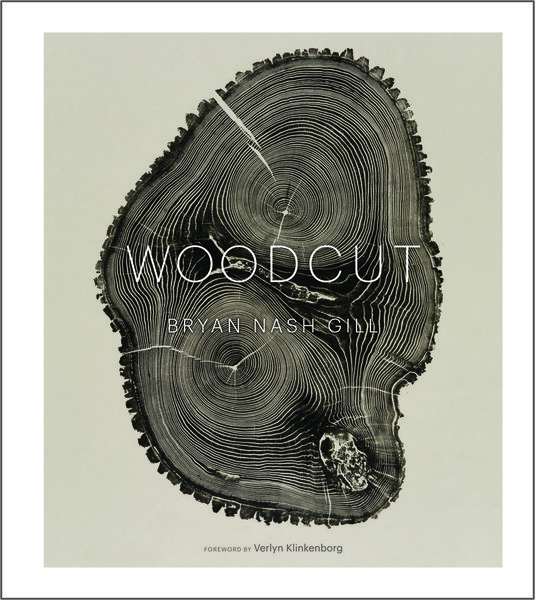 Artist Bryan Nash Gill is making relief prints from the cross-sections of trees. The results are amazing and inspirational.
 The artist begins by selecting a specimen from an old mill that is located next to his studio. The wood is then prepared for print making. The surface of the wood is covered with ink. A sheet of handcrafted washi paper is laid across the surface, and using a laborious rubbing technique developed by the artist himself, the texture of the wood is transferred.
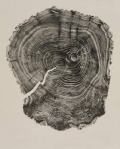
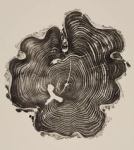
His artwork is currently on display at the Chicago Botanical Garden, Chicago, Illinois

Color Scouting: Green Truck in Seward

What is color scouting?
Snake Grass Weaving
This is a great project to do with kids while camping!

Materials
Snake grass likes a lot of moisture, so look for it near wet areas like creeks, rivers, lakes, ponds, and marshes. You will only need one long one that has at least 3 sections to it.
Yarn
Scissors
Yarn needle (optional)
1. Find a strong reed of snake grass and take it apart into it’s sections. Make sure that it is big enough to fit the yarn inside.
2. The center of each section has a small “plug”. I was able to use my scissors to scrape it out. You could also use, a yarn needle or even a small piece of driftwood. You’ll find that each section also tapers a little where it joined the section below it. I used my scissors to cut of this section making it easier to slide up and down my yarn.
3. Decide how wide you want your weaving to be. The more strands that you have, the wider the weaving will be. Cut the yarn to the desired length and tie all the strands together. Thread each strand of yarn through one section of snake grass.
4. Tie the working yarn to the last strand, and begin weaving. When you are running out of snake grass, simply slide each section down to provide more work space.
When you have finished, pull the snake grass off and tie the ends together. I just used one big knot to finish, but if you are doing a wider weaving, you may want to do several smaller knots across the bottom.
Have fun!
Color Scouting: Cottage
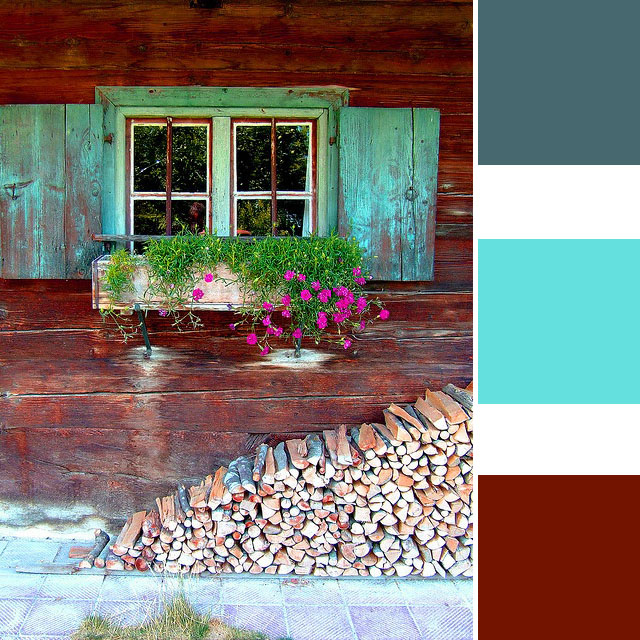
I didn’t take this photo. I stumbled upon it on Pintrest & was instantly smitten with the colors. I couldn’t resist sharing it with you here on Color Scouting.
What is color scouting?
Creation from an artist’s point of view
While in Alaska, I was often in awe over the beauty that surrounded me. From the rocky mountains, to the lush forest, to the icy glacier fed creeks, it is all magnificent and so very different than what I typically see in the Midwest. I found myself thinking about how much God must have enjoyed creating it all.
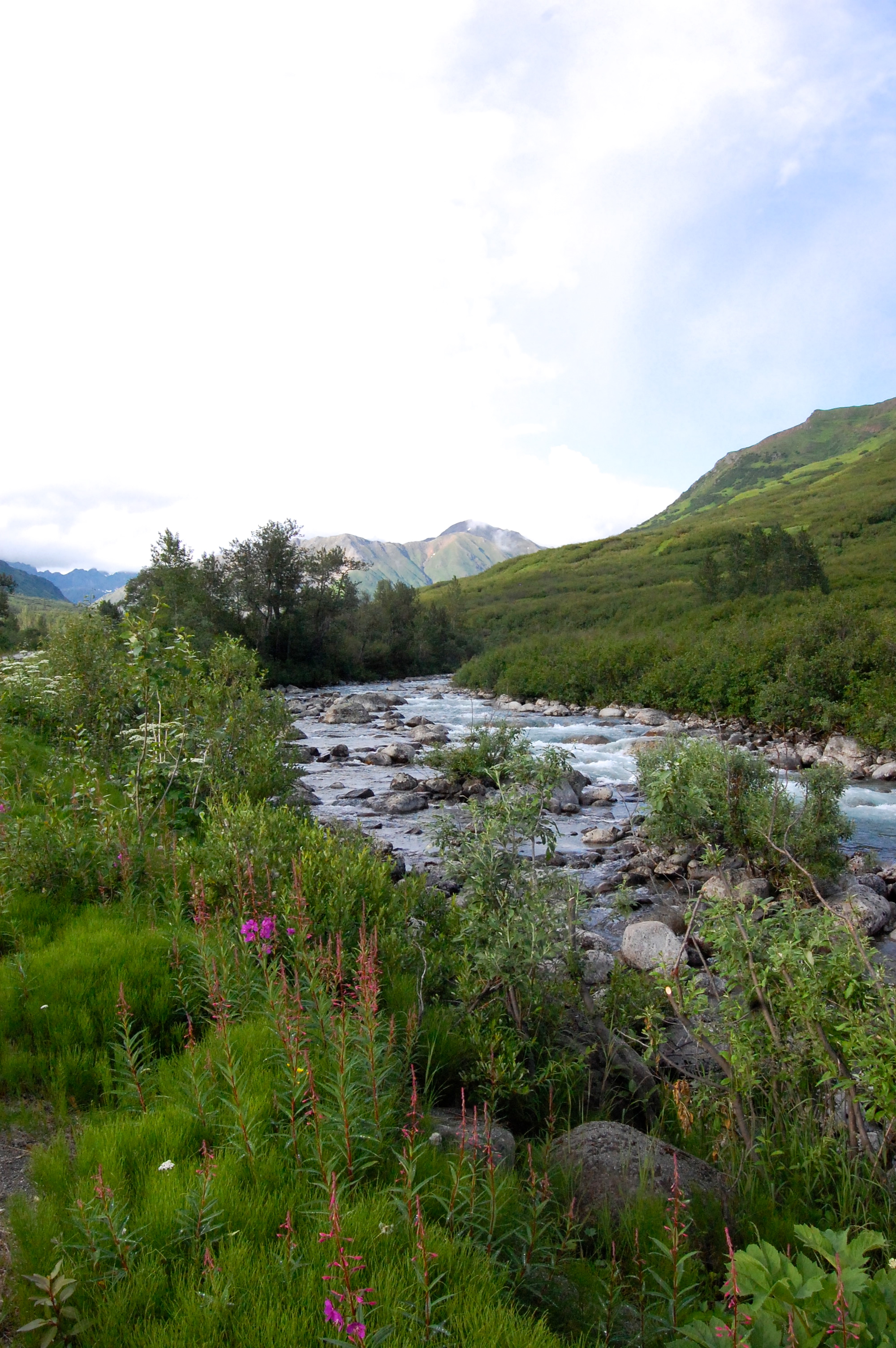 It causes me to believe that God did not rushed through the creation of life in just 6 days. For just as I find joy in creating art, I know that God too finds great joy in creating. I believe that just like any master artist, God took His time enjoying each step of the process. He let His creativity run wild, and in artistic abandonment He formed Earth.
Fireweed at Exit Glacier
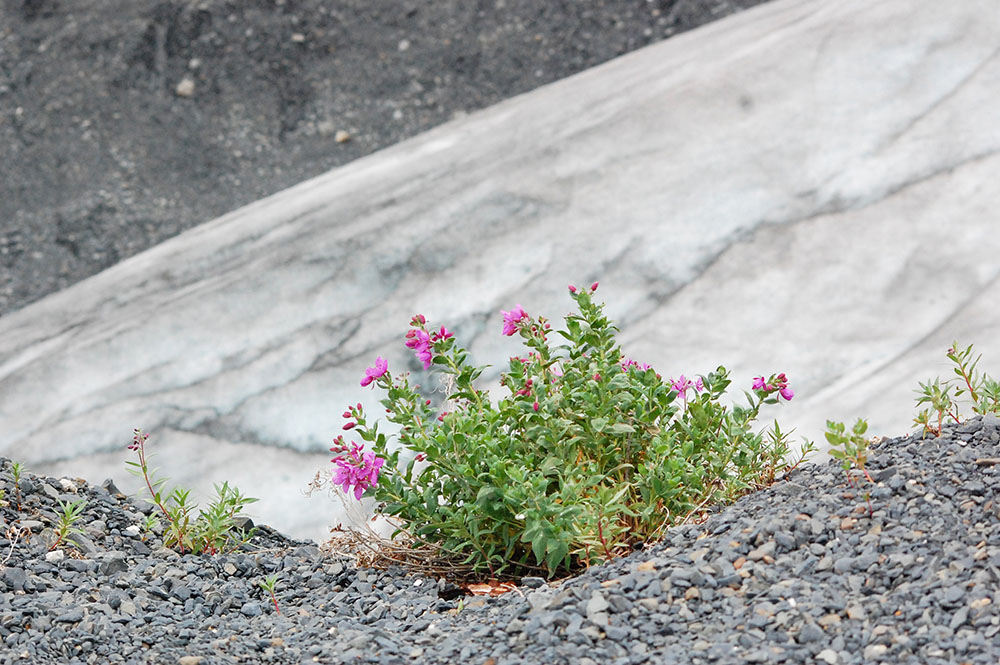 As the glacier at Kenai Fjords continues to recede, it leaves in it’s wake a desolate landscape of steep cliffs and jagged rocks. However, over time, plants do begin to grow, and Fireweed is one of the first plants to lay down roots.
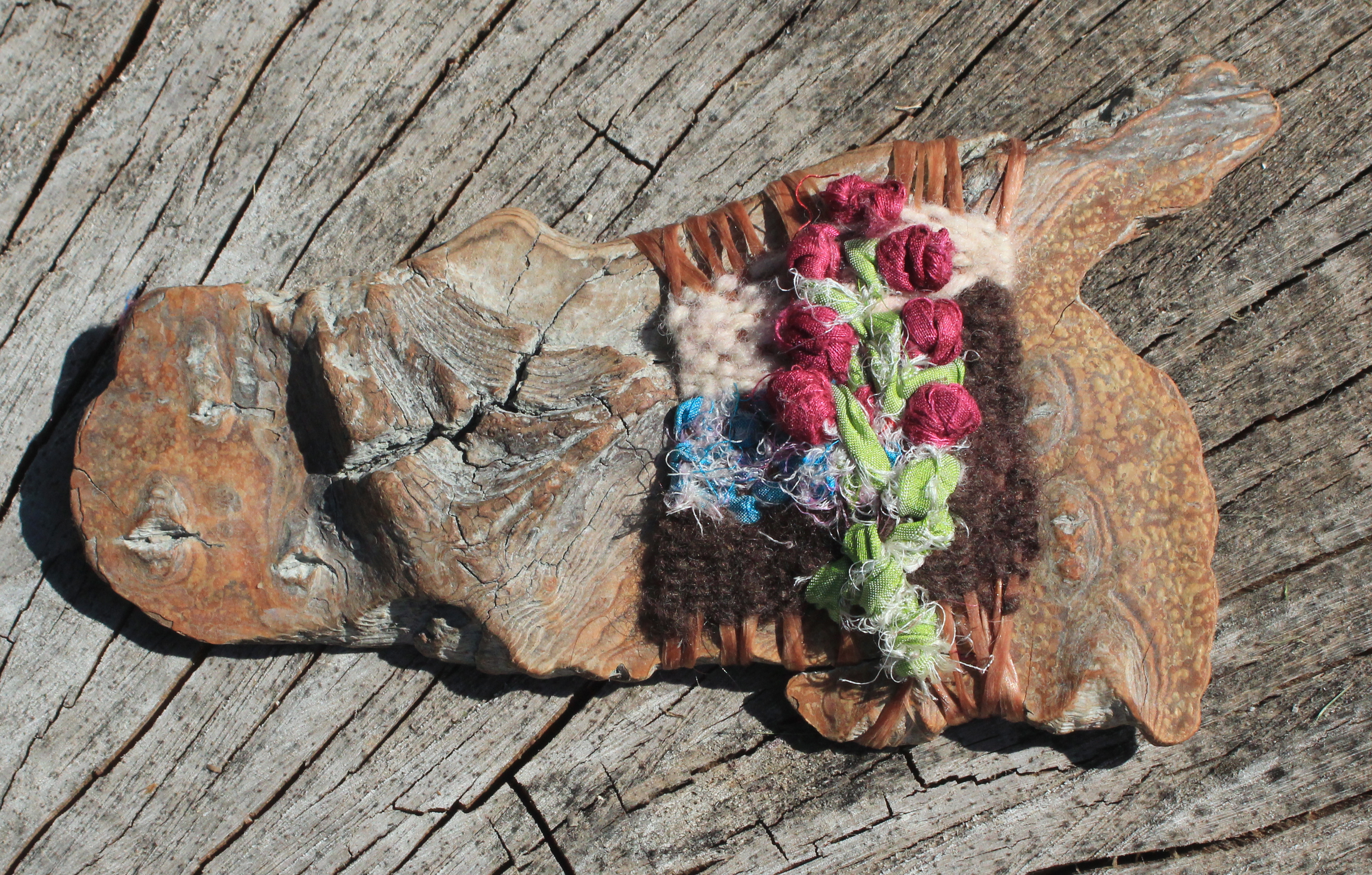
 artbycarriejoy.com