Yesterday, I had some time to kill as I waited for my husband to get out of his meeting, so I wasted my time doing what I most often do when I’m wasting time. Looking on Pintrest! I found this sweet pencil sketch (click on the image for the source).

Yesterday, I had some time to kill as I waited for my husband to get out of his meeting, so I wasted my time doing what I most often do when I’m wasting time. Looking on Pintrest! I found this sweet pencil sketch (click on the image for the source).
I love to go thrift store shopping. It is not uncommon for me to spend a couple hours scouring just one thrift store. I love the hunt. I’ll park myself in an isle & crouch down low to dig at the back of the shelves where other shoppers might take a glance down, but usually walk right past. That is where the good stuff is hidden. But that is not where I found this. This cabinet was setting on table near the cash register. I glanced over in that direction in search of a clock & there it was. From across the room, I heard it call my name. I made a beeline over to the table & scooped it up in my arms. It was love at first sight.
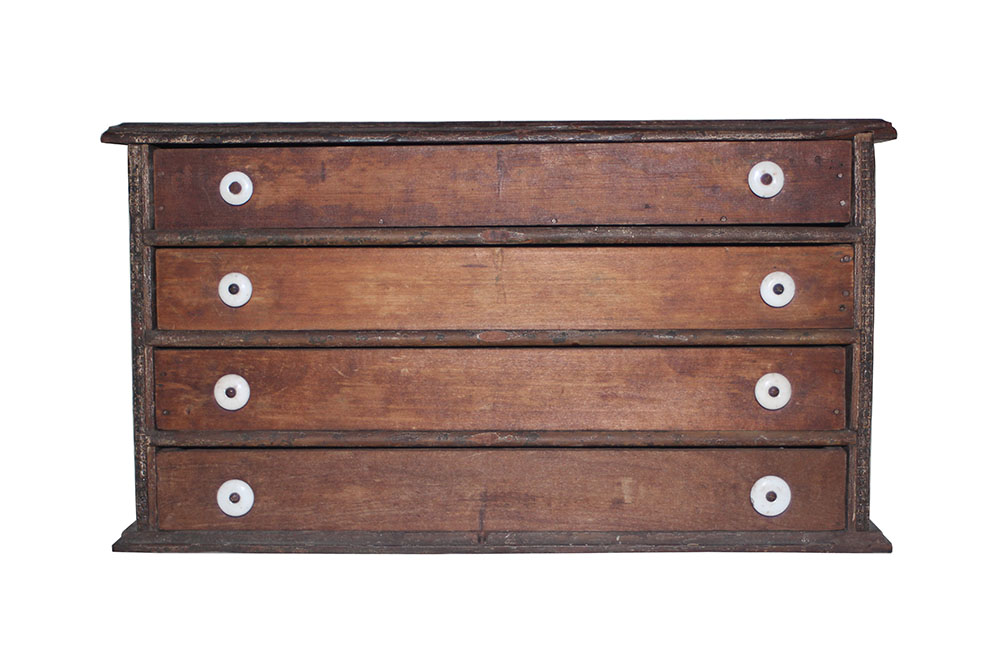 Today, this perfectly rustic cabinet sets on my shelf & proudly holds all of my knitting tools.

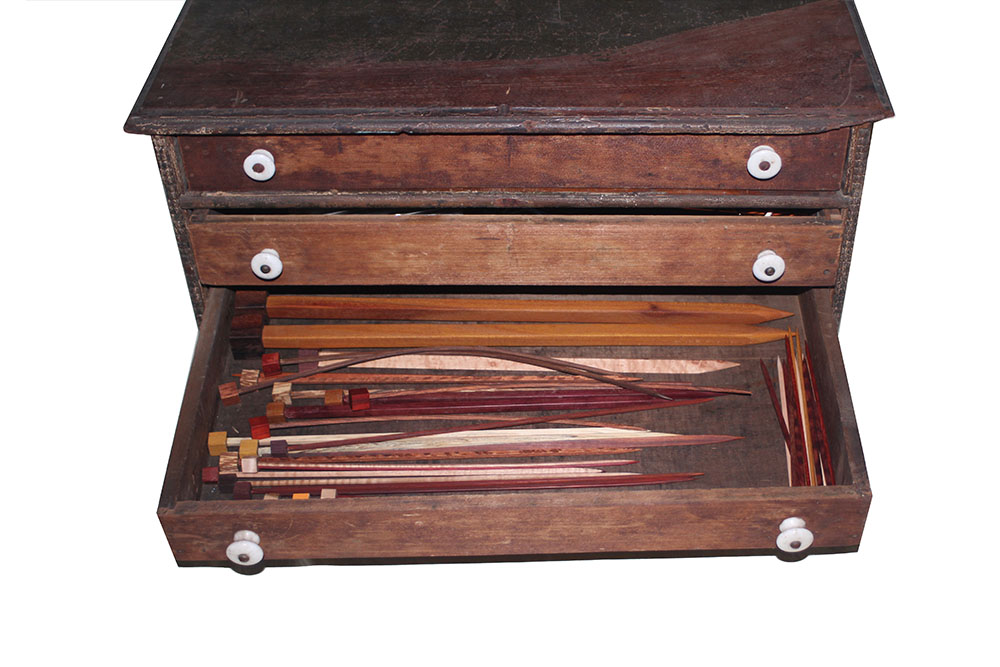 It’s drawers are the perfect size for storing all my knitting needles. This is my collection of needles made by Joes Fiber Tool.
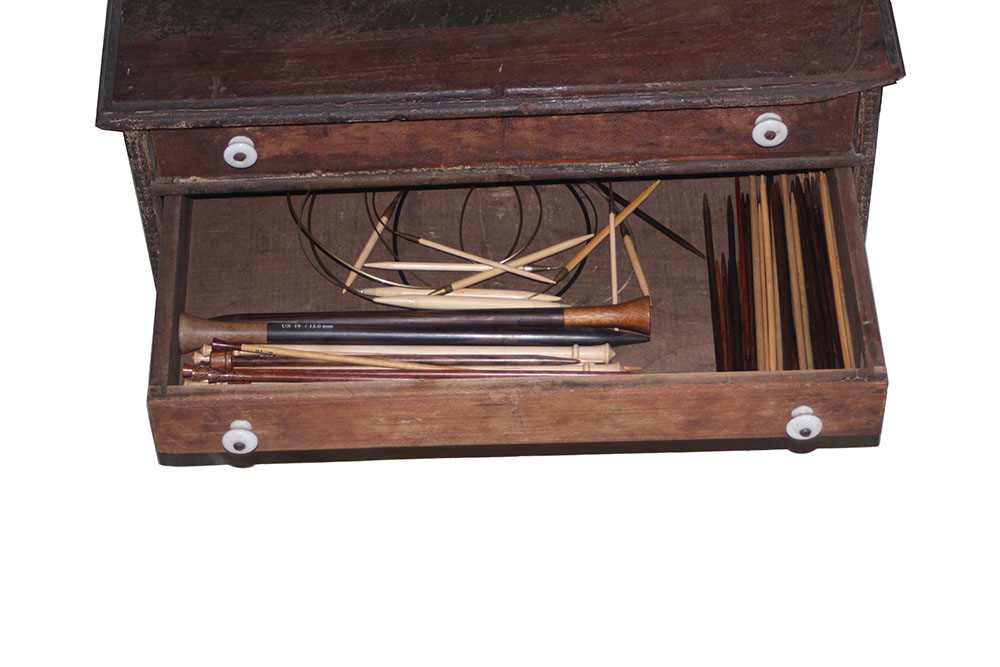 I realize this may not be the most efficient way to organize my knitting needles. The truth is, I love all of my needles, I like to look at them, I like how they feel, & I enjoy digging through them to find the right needle that I need. I’ve seen all kinds of different ways that people have their needles organized, but having ADD, I know that none of those systems would work for me. I’m a dump & run kind of girl, so this is what works best for me. How do you keep your knitting needles organized?

My mail carrier brought me an unexpected box today! I love it when that happens. When, I opened it, I found this stack of magazines setting inside. I had been looking for the spring issue of Wild Fibers Magazine to arrive for a few days now, but I was not expecting a box of these magazines.
You see, Linda over at Wild Fibers Magazine chose to write a feature length story about The Rocking Yak in this spring issue. I have anxiously been waiting for months now for the story to be written & published. I am so excited about this.
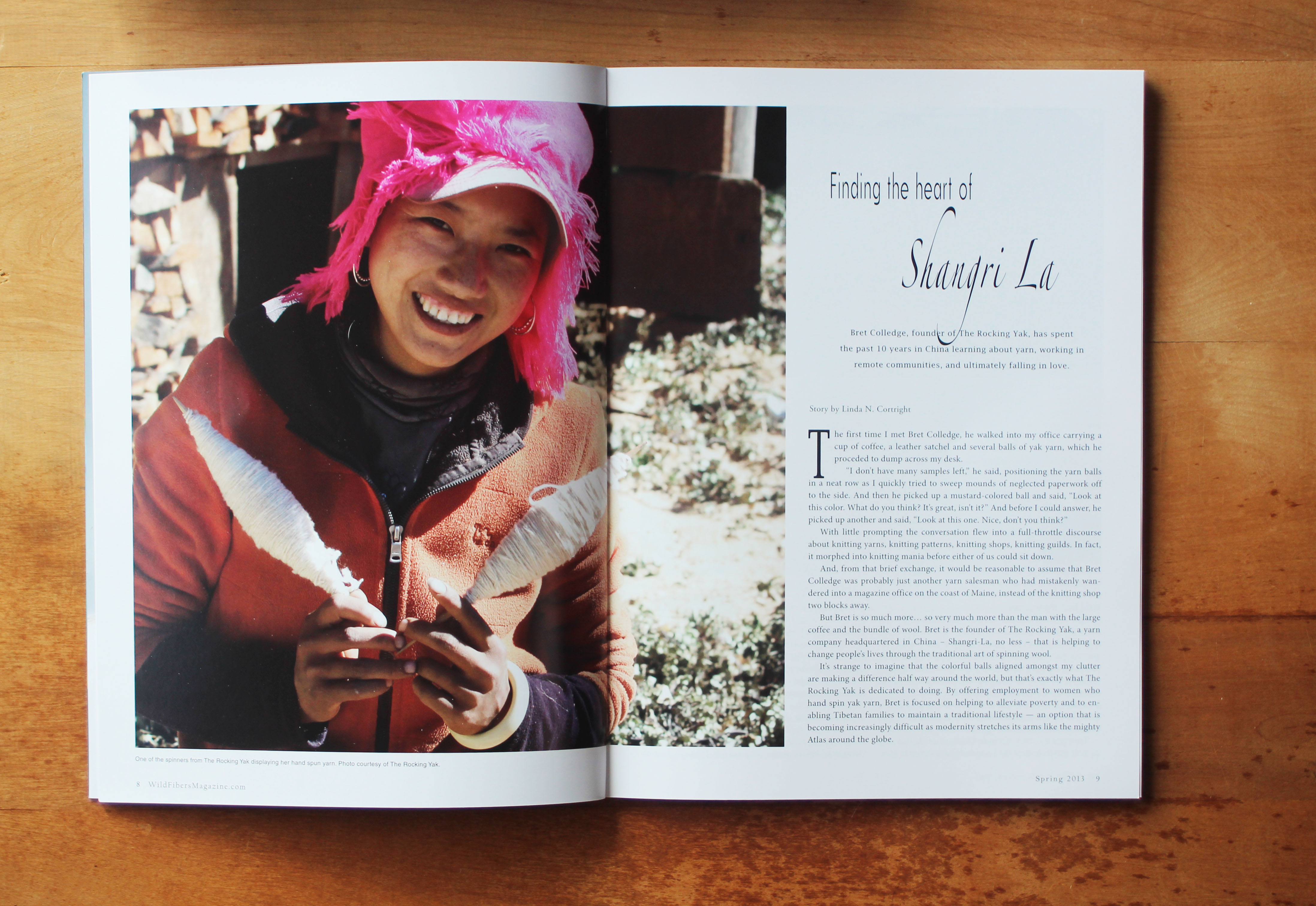
It was well worth the wait. The article is FANTASTIC! Linda has this way of being in a moment. She has the ability to take in everything. The sights, the sounds, the smells. Then, when she sits down to write about it, she is able to put flesh & bones into her writing & the story comes to life.
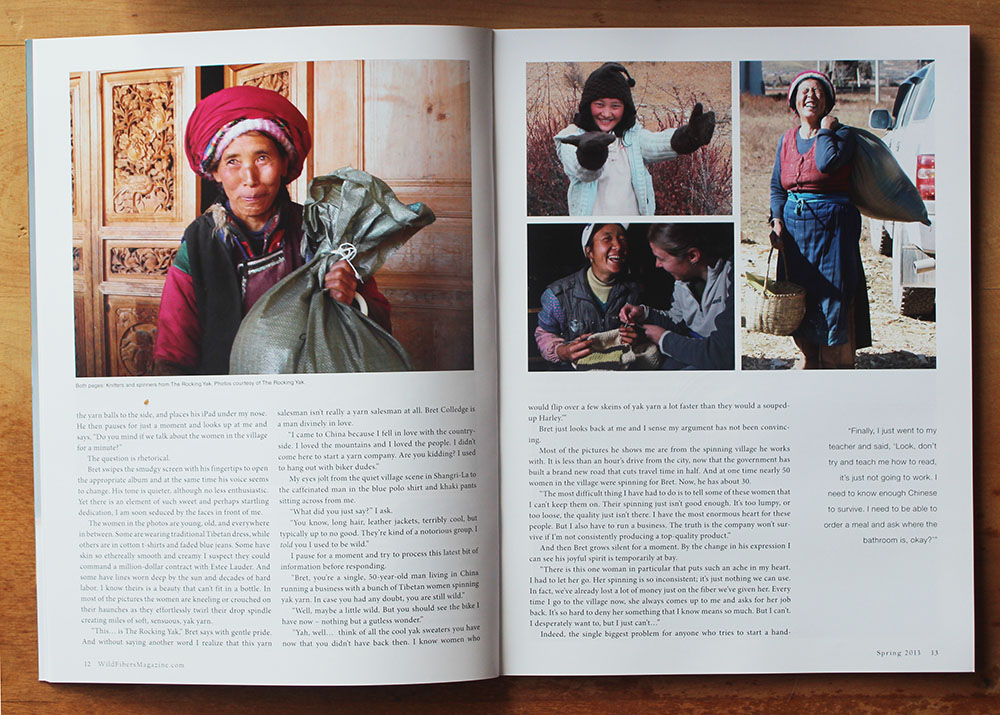
I have been working with Bret on this project for 6 years now, having never set foot in China. Linda was able to pull stories out of the field & give me glimpses into the very heart & soul of this company that I love so much. It’s a gift that she gave to me.

Readers love Wild Fibers not only because they discover the world in ways they had never imagined, but because they have such wild fun in doing it!” ~ Wild Fiber Magazine
– – – – – – – – – – – – – – – – – – – – – – – –
 Andi over at Untangling Knots has shared her thoughts on handmade. The comments are well worth your time as well. Go jump in the conversation!
 Antler Hat by Tin Can Knits in Indigo yak yarn by The Rocking Yak
An article written by Jill Rosen, The Baltimore Sun.
Lynn Zwerling speaks of knitting the way others talk about yoga or long distance running or even particularly potent cocktails. It’s life-changing, she’ll say. Mind-altering. Zen. The Columbia retiree doesn’t care if she’s making a hat, a sweater or a scarf. It’s just the way she loses herself in the lightly clicking needles, plush wool and repetitive motion.
Zwerling, who’s 67, took up knitting after retiring from selling cars, quickly becoming an evangelist, more enthusiastic than skilled. She started a knitting group that swelled to nearly 500 members and then — surprising everyone she knew — announced that she wanted to teach men in jail how to knit.
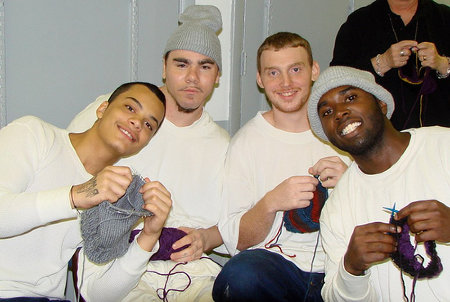
“I just knew it would work,” she says. “I thought I could give a calming influence to people who really need this. I’m not a social worker. I’m not an educator. But I thought what it takes to do knitting are skills vital to human existence — setting goals, completing a project, giving to somebody else.
“And I thought, maybe when they get back in the world, these men might choose to be calm and do something worthwhile. But I’m a dreamer, you know.”
Defying every expectation, Zwerling’s Thursday night program, Knitting Behind Bars, has become in two years the most exclusive club at Jessup’s Pre-Release Unit, an all-male, minimum-security penitentiary in Howard County.
Men literally beg to get in. There’s a waiting list. And no one’s more surprised about that than the assistant warden who couldn’t help but harrumph when Zwerling told her she wanted to teach inmates how to make stuffed dolls and woolly hats. Every other prison in the area had already turned her down.
“I was like, ‘Mmmm, I don’t know,” says Margaret M. Chippendale, the prison’s warden. “I just had a hard time trying to grasp that an inmate that might have committed a violent crime or been a gang affiliate was going to want to sit in a room and knit.”
But they did. And do.
They want it so much, in fact, that they’re willing to be good in order to do it. Chippendale has noticed lower rates of violence among the men who knit. “It’s a privilege to be in that program,” Chippendale says. “It’s something that matters and they don’t want to do anything to be removed from it.”
On a recent Thursday, George Hopkins hunched in a chair, grimacing in concentration, pushing a needle through a loop of wool, wrapping it with yarn, then deftly tucking it under, through and around — again and again, over and over.
The 54-year-old from Baltimore, in prison for stabbing someone, had settled into a knitting-induced reverie. He was halfway into a hat and, just as Zwerling suspected, entirely transported.
“My mind is on something soft and gentle,” he said. “My mind is nowhere near inside these walls.”
That first night at the prison, Zwerling went alone. A grandmotherly figure who cuts her graying hair short and who likes to wear her own brightly colored creations, Zwerling stepped through the metal detector, held her arms out for a pat down and endured disapproval over her underwire brassiere. She says she wasn’t scared, not even for a minute.
“We were very naive,” says Sheila Rovelstad, a 61-year-old avid knitter who joined Zwerling at the jail not long after that first class. “At first we didn’t know enough to be afraid.”
They thought the guys were fundamentally good fellows who perhaps made “some bad choices.” But soon enough they realized that these were men who had beaten people, written bad checks for thousands of dollars, and in one case, kept someone locked in a room. One was a child abuser. “That one was hard,” Rovelstad says.
“They are criminals,” she says. “Most have hurt someone in some way. These are not good boys. But we’ve become fond of them.”
Both women will tell you they know boys. They raised their own. Zwerling’s sons are 31 and 34. Rovelstad’s son died in 1999 in an accident while he was attending Florida State University.
“We understand how easy it is go astray. It isn’t that we had bad boys,” Zwerling says. “But we had boys.”
In the bare, plain classroom that’s become the knitting room at the prison, the women lay down firm ground rules. No roughhousing. No coarse language. No prison nicknames. “Bring your best selves,” they say.
If one of the men steps out of line, Rovelstad finds herself telling him, “We don’t do that in this family.” It’s the same thing she’d tell her own kids.
For the sessions that run two hours every Thursday evening, the men do seem to bring their best selves. They shower. They put on clean clothes. When they walk in, they peel off their skull caps and greet the women respectfully. Before they leave, they’ll call out things like, “Drive safely” and “Have a great week.”
During an inmate’s first class, Zwerling, Rovelstad and a third volunteer will help him make a little swatch — nothing more than a few stitches worked back and forth. But before that new knitter leaves, the women will have him cut the yarn, taking care to leave a long tail. They’ll tell him to carry the square in his pocket and if he gets upset, to pull the tail.
That first class wasn’t easy for Raymond Furman, a 46-year-old from Washington who’s serving a sentence for telephone misuse and stalking. Frustrated and unable to do more than a stitch or two without a mistake, he threw down his work and said, “I can’t do this.” But, he remembers, one of the women said, “Just relax. Let the yarn have its way.”
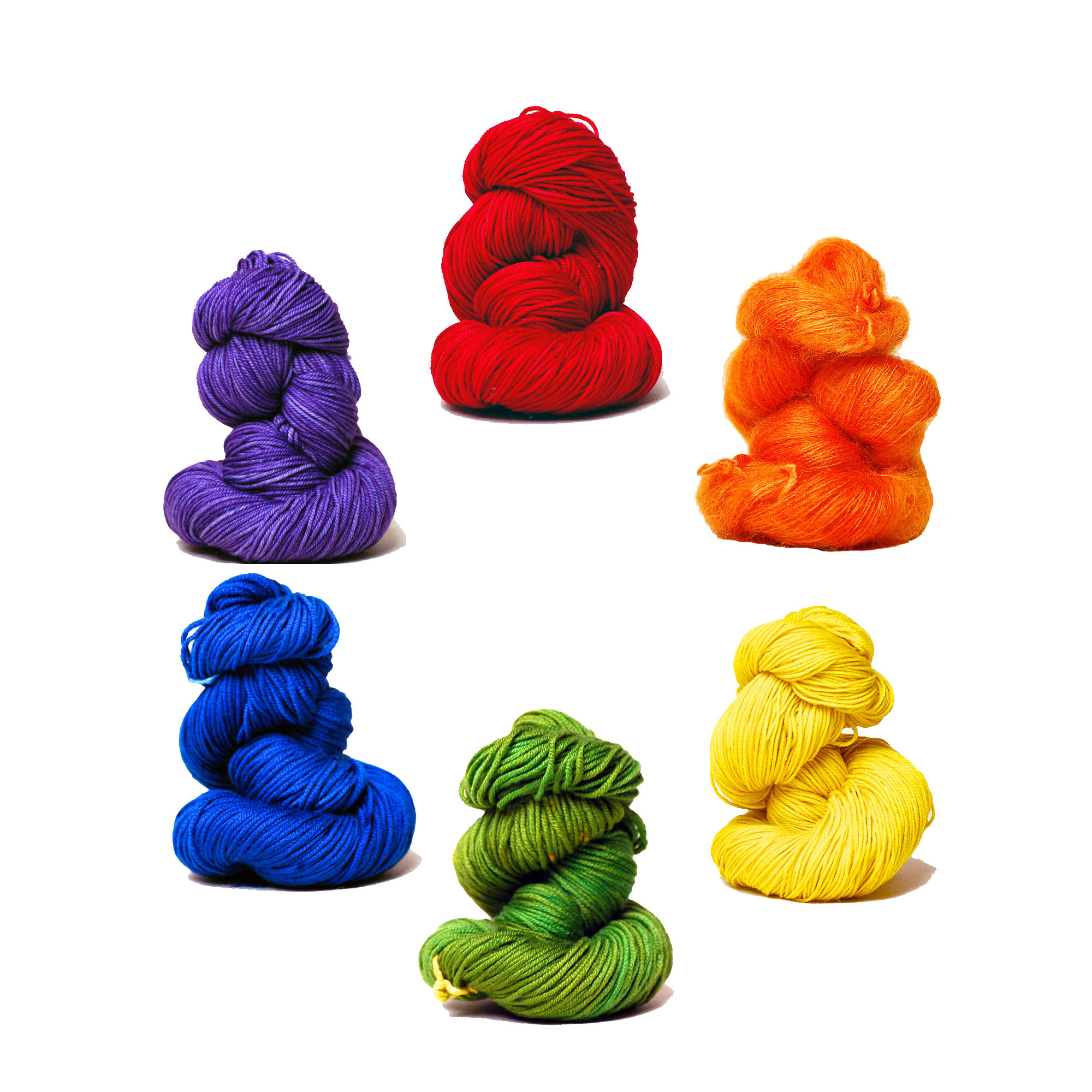
 Red is a very intense color with high viability. It is a warm, energetic color that reflects strength, health, & energy. Red represents joy, passion, sexuality, willpower, courage, & anger.
People who prefer red are often outgoing, & energetic individuals who embrace life with passion. They have a positive outlook on life, & do not like to be bored. Quiet people with a preference for red, may feel the need for the warmth, strength & life-giving qualities of the color. Red is a color chosen by men, women, & children alike.
What colors go with red?
Red is a bold color that makes a nice splash to a neutral pallet.
Red is the opposite of green on the color wheel.
A light tint of blue creates a nice contrast.
. . . . . . . . . . . . . .
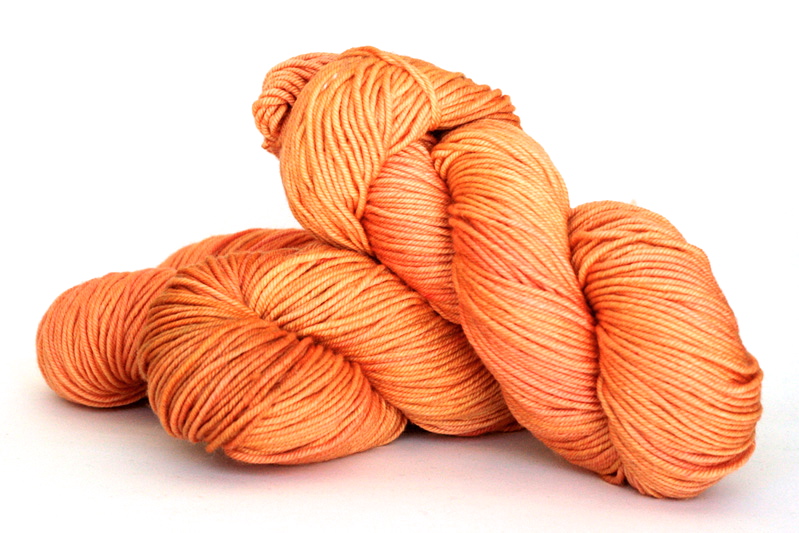 Orange is a warm color that combines the energy of red with the happiness of yellow. It is associated with joy, sunshine, happiness, & creativity. It has an invigorating effect that stimulates mental activity.
Orange is preferred by flamboyant, fun-loving people, & is highly accepted by youth.
What colors go with orange?
Red & yellow can be paired well with orange.
Blue is the opposite color of orange on the color wheel.
. . . . . . . . . . . . . .
 Yellow, the warm color of sunshine, inspires joy & happiness. It arouses cheerfulness & stimulates mental activity. Men often perceive yellow as a color for lighthearted children.
People who prefer yellow are those who are mentally adventurous. They are clear precise thinkers who have lofty ideas & may at times shun responsibility preferring freedom of thought & action.
What colors go with yellow?
Yellow tends to disappear into white, so it usually needs a dark color to highlight it such as brown.
It pairs well with orange or green.
It is opposite of violet on the color wheel.
. . . . . . . . . . . . . .
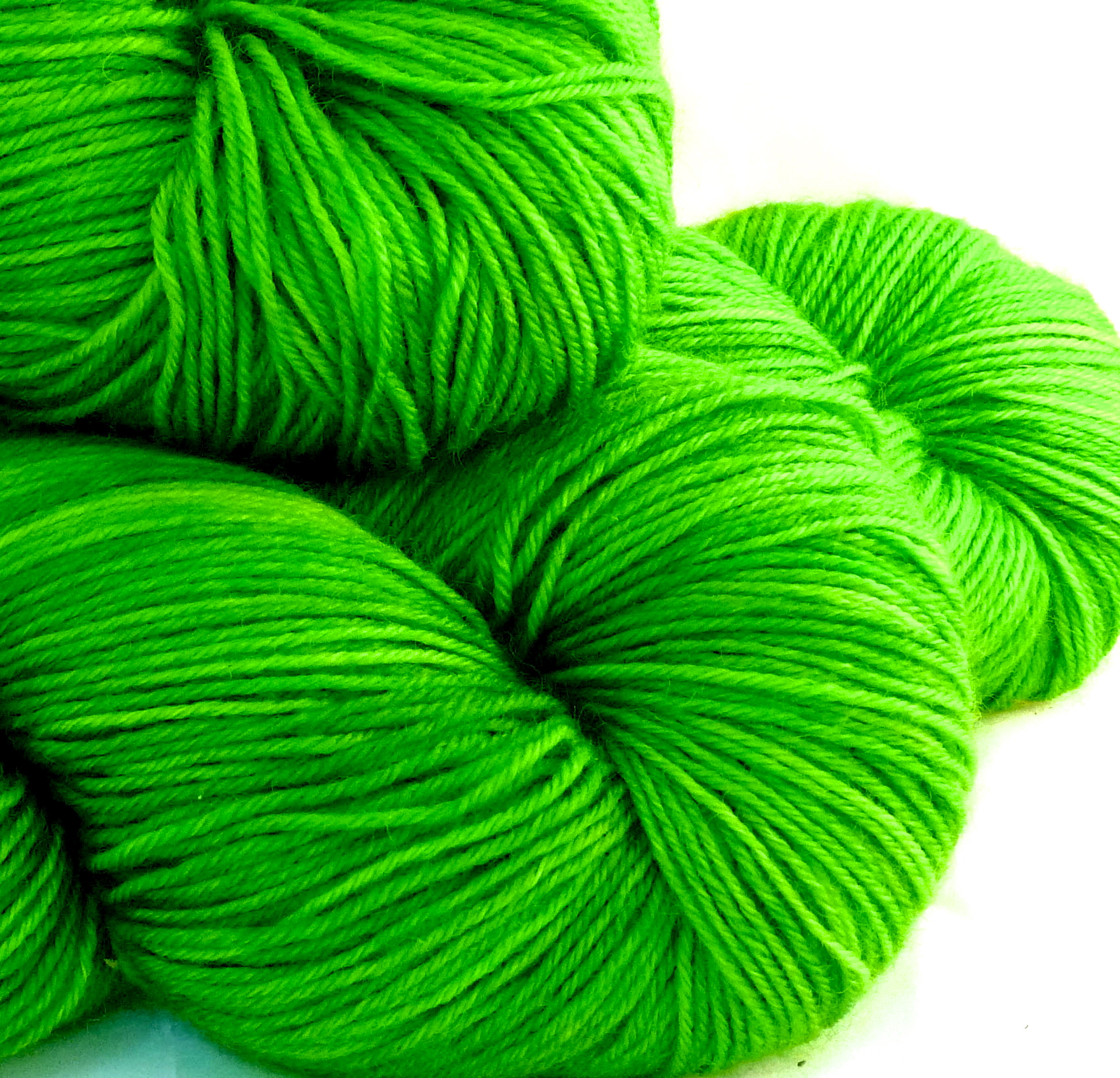 Green is the color of nature. It symbolizes growth, harmony, & freshness. Green is the most restful color to the human eye.
Green is the choice of gentle sincere people who are often frank. They are community-minded people who can be fairly sociable, but prefer peace at any price.
What colors go with green?
Green is a cool color that goes will with yellow or blue.
Red is the opposite color of green on the color wheel.
. . . . . . . . . . . . . .
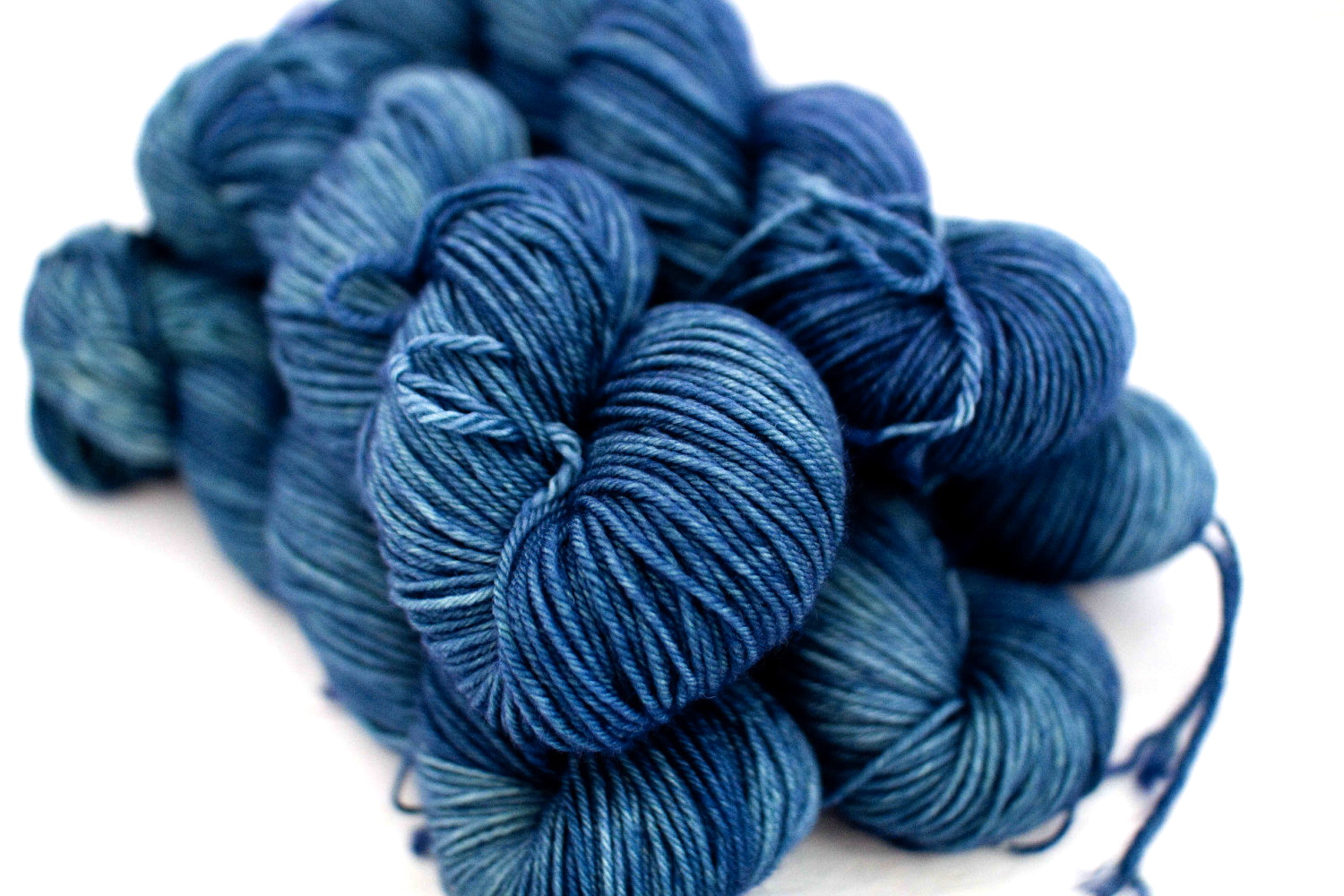 Blue is the color of sky & sea. It is often associated with depth, stability & tranquility. It symbolizes trust, loyalty, wisdom, confidence, faith, & trust. Blue is considered beneficial to body & mind by producing a calming effect.
Blue is most preferred most by males.
What colors go with blue?
Blue is a cool color that sets opposite of orange on the color wheel.
It goes well with green or violet.
When blue is used with warm colors like yellow, & red, it can have a strong visual impact.
. . . . . . . . . . . . . .

Violet is a cool color that combines the stability of blue with the energy of red. It is associated with royalty, wisdom, dignity, creativity, mystery, & magic. It symbolizes power, luxury, & ambition.
Violet is often preferred by women & children.
Light purple evokes romantic & nostalgic feelings, while dark purple evokes gloom & sadness.
What colors go with violet?
Blue is a great color to combine with purple, or red can be used for a vibrant contrast.
Violet sets opposite of yellow on the color wheel.
I have often heard knitters comment that they find it difficult to combine colors for a project. This is one reason why so many knitters choose to strictly follow a pattern’s recommendation for yarn choice. However, selecting colors for a project can be a lot of fun & is an important part of the process in making an item unique. The colors are what give a piece personality & makes an item personal. So let’s talk about color harmony.
Color harmony is a term used to describe color groupings that have a pleasing visual effect. Most knitters have a basic sense of color harmony. We know what we like & what we don’t like. We know what colors & color combinations we find appealing, but for the most part we match colors according to gut instinct. Today, I want to discuss color harmonies a bit more technically.
 Complementary colors are two colors that are opposite each other on the color wheel. There are 3 pairs of complementary colors. They are Red & Green, Orange & Blue, and Yellow & Violet.
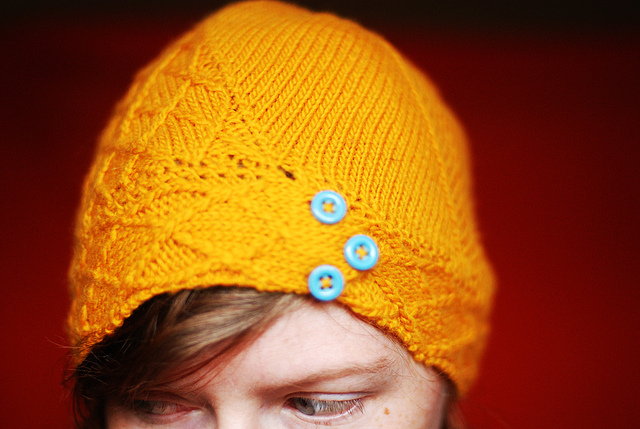 These color combinations have a high contrast with each other, that make them tricky to manage. In knitting, I find it best to avoid these color combinations unless one color is used for a slight embellishment.
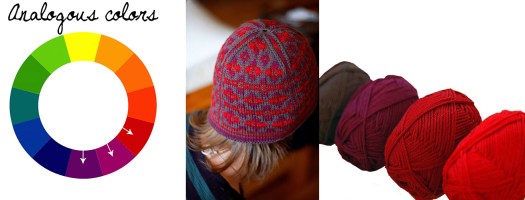
Analogous colors are those that are found next to each other on the color wheel. For example, red, orange & yellow are analogous colors. So are yellow, green & blue. It is best to choose one color to use as a main color, another color as a contrast color, & a third as an accent color.
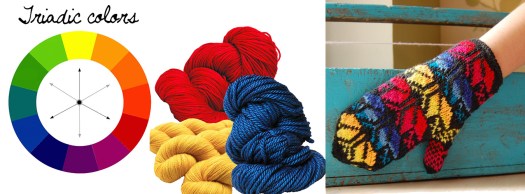
Triadic colors colors are evenly spaced around the color wheel such as red, yellow, & blue. These color combinations are contrasting & create a vibrant color scheme. To keep this color harmony in balance, choose one color to be the main color, & the other two as accent colors.
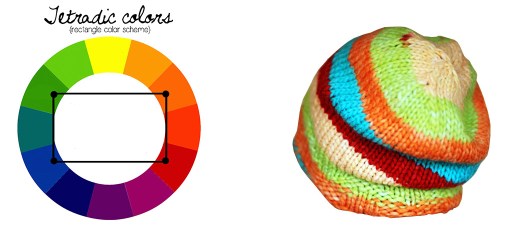
There are 4 colors that make up a Tetradic or rectangle color scheme. These four colors are divided into 2 complementary pairs. This color schemes leaves room for a number of possible variation, but the number of warm colors should equal the number of cool colors.
Want more information?
Here are some more examples of the color schemes described above.
Here is a link to even more color theory that I did not go into here.
Did you know that the different colors have different meanings? We’ll talk about these meanings in the final post in the School of Color series. Look for it next week?
When my husband & I were getting married, we read Gary Chapman’s book The 5 Love Languages. We were young and the wisdom we gained from reading this together was priceless. As the title implies, the book explains that there are 5 love languages. They are words of affirmation, quality time, receiving gifts, acts of service, and physical touch. However, I believe that there is a sixth love language, KNITTING!
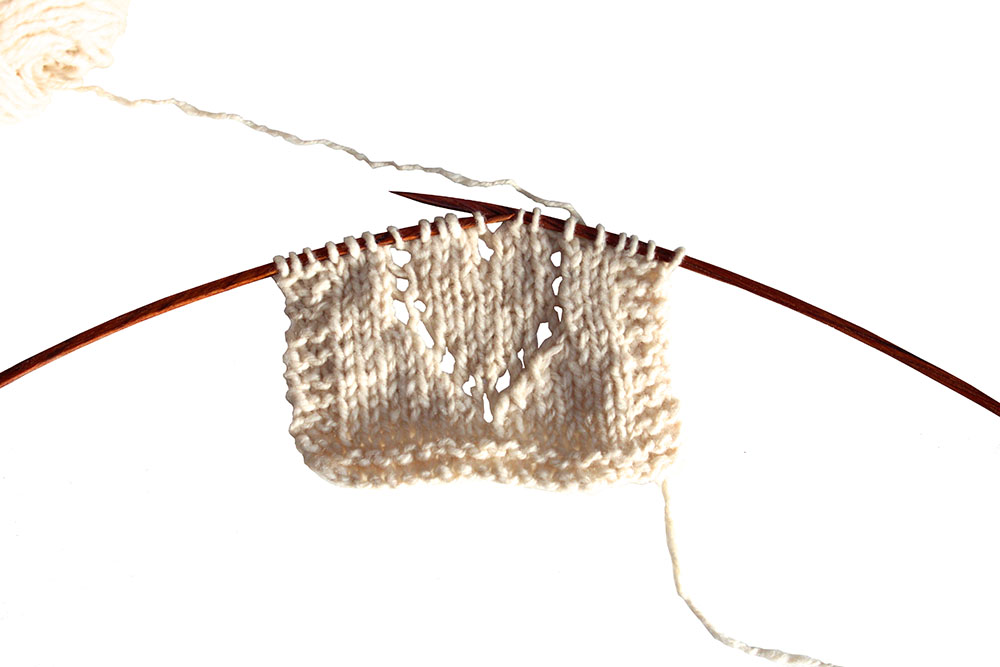 Ask any knitter/crocheter how many items they have created for themselves, and they will most likely give a modest number of items. I have made 4 thing for myself. Now, ask a knitter/crocheter how many items they have made for other people and you likely hear a much larger number. I can’t even tell you how many things I’ve knitted for other people. I stopped counting a long time ago. Why is this? Because, knitting is a love language!
Now, according to Gary Chapman, my love language falls under acts of service & gift giving. So, when I want to express my love and appreciation for someone, my most natural response is to knit something for them. As I spend my time crafting each stitch, my heart & mind are pulled toward that person. I pray for health and I pray for safety. I pray for blessing and joy. The piece I create becomes my prayer and it is my gift to the one I love.
What is your love language?

 artbycarriejoy.com