A Yarn Holder for Camp

camping yarn

Throughout the summer months, we try to spend as much time as we can outdoors.  Our families LOVES going to the beach, camping, having backyard fires, canoeing, and biking to name just a few things on our list of activities to do this summer.  As summer vacation has been approaching, I’ve been working on a plan for keeping the kids entertained.  It’s clear to me that we will be spending a lot of time going from one adventure to another.  This means that my knitting will also be going from one adventure to another.  In order to keep my yarn untangled and clean, I made a yarn container to use while on the go.

These containers are great.  They are easy to make, don’t require any fancy supplies.  They can be made while on the go or in a pinch.  I consider them essential, to the summer survival of any knitter.

Here is how I made it.

Supplies
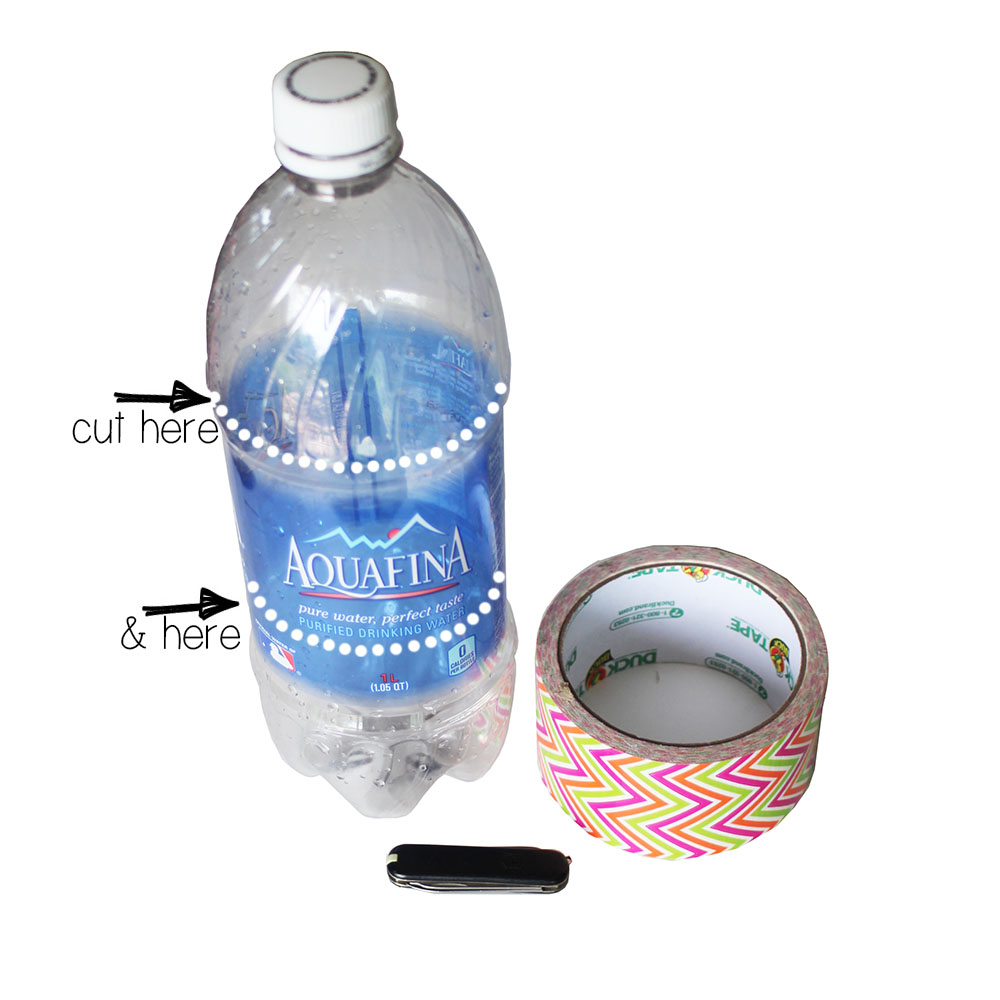
Yarn holder suppliesYou will need 1 plastic bottle, a pocket knife (or scissors), and some duct tape.

Directions

1. Clean out the inside of your plastic bottle, and take the label off.  Goo Gone can be helpful for getting any remaining glue off the outside of the bottle.

2. Cut the top portion of the bottle off.  You want to look for a place where the bottle is at it’s widest so it can easily slip over the bottom portion.

3. Cut off the bottom portion of the bottle.  Here you want to find a place that is narrower than the top portion.  Make your cut so that there is a 1/2″ section that easily slips inside the lid so that the 2 portions of the bottle over lap.

4.  The cut edges can be fairly sharp. It is a good idea to cover them with duct tape so you don’t accidentally hurt yourself.  The duct tape also can add a little bulk to the overlapping edges, making the lid fit snugly on top of the bottom portion.

yarn holder tapeI needed to add some bulk to the cut edges of mine, so I tore a strip of duct tape that was 1/3 of the full width of tape.  I wrapped this 1/3 section around the outside of the cut edge.  Then, I took the remaining 2/3 piece of tape, and wrapped it around the outside too (on top of the 1/3 section). There should be a portion of the duct tape sticking up beyond the plastic bottle.   Cut slits around the top portion of the tape that sticks up, and fold the tape over the cut edge.

5.  Do this again for the lid.

yarn holder top and bottom

Arabs with Altitude Update

A couple weeks ago, I shared a fun youtube video produced by the Arabs With Altitude expedition team to Everest.  It was a fun a little video the team made at the start of their expedition.

I wanted to share with you an update of their historic summit.

The team made it to the summit of Mt. Everest on 5/21.  I am excited for all of them. Climbing Mt. Everest is a huge feat, but I am especially proud of Raha Moharrak, the first Arab woman to climb Mt. Everest.

tumblr_mn261jo8Vj1qedj2ho1_500

While we’re on the topic of Mt. Everest, (I’ve been a little obsessed with the mountain lately.  I get like that sometimes), another great expedition that took place at the same time as Arabs With Altitude, is the United States Air Force 7 Summits Challenge.  This group of airmen climbers also reached the summit of Mt. Everest last week, 2 days earlier. You can read about their experience here.

[] :: [] :: [] :: [] :: [] :: [] :: [] :: [] :: [] :: [] :: [] :: []

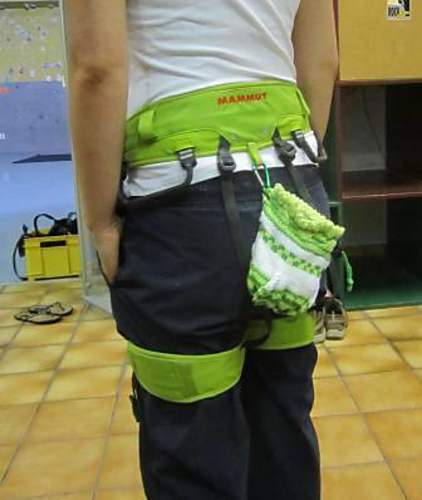
Just for fun > > > I found this free pattern for a chalk bag!IMG_2019_medium

Yak Milk Soap

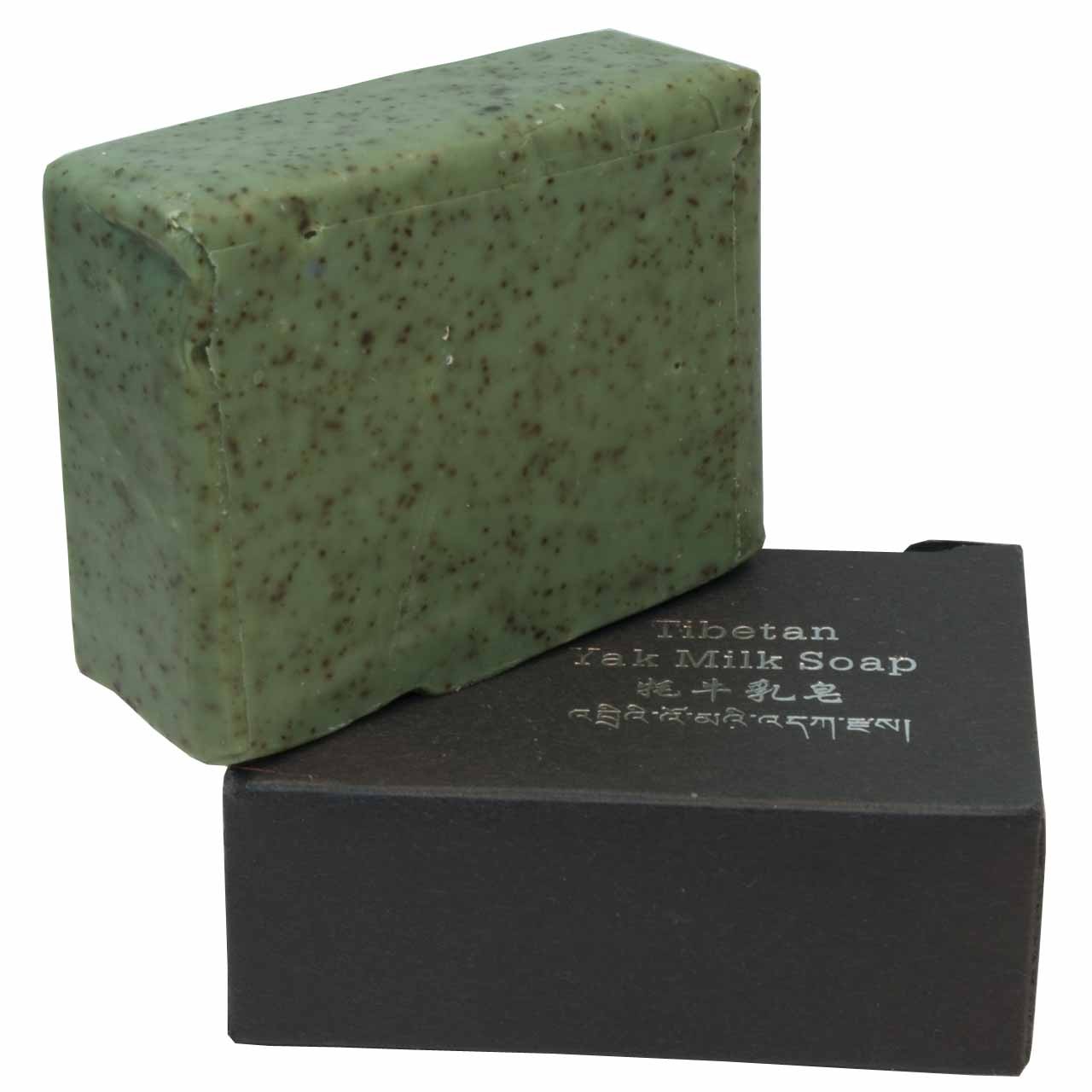
011510_M__06835.1353287610.1280.1280  Yak milk is high in fat which is needed for survival through the harsh Himalayan winters.  It is this yak milk that is used to make Yak Butter tea, and is a staple to the Tibetans’ diet.

Some of our friends on the Tibetan plateau have started using this fatty milk, along with local herbs and minerals to make handmade soap!  The result is a rich, and moisturizing bar of soap.  No synthetic ingredients are used in the production of the soap, making it a true natural soap that can be used for washing wool.

The Tibetan cooperative makes the soap in small batches using the cold process method.  Once ready, each bar is cut by hand and packaged for sale.

You can purchase some in the shop!

To learn about AmdoCraft watch the video below and visit their website.


Yak Milk Soap

011510_M__06835.1353287610.1280.1280  Yak milk is high in fat which is needed for survival through the harsh Himalayan winters.  It is this yak milk that is used to make Yak Butter tea, and is a staple to the Tibetans’ diet.
Some of our friends on the Tibetan plateau have started using this fatty milk, along with local herbs and minerals to make handmade soap!  The result is a rich, and moisturizing bar of soap.  No synthetic ingredients are used in the production of the soap, making it a true natural soap that can be used for washing wool.

The Tibetan cooperative makes the soap in small batches using the cold process method.  Once ready, each bar is cut by hand and packaged for sale.

You can purchase some in the shop!

To learn about AmdoCraft watch the video below and visit their website.


Color Scouting: Late Spring

flower field color scheme

Yesterday, the lighting outside was fantastic. The weather couldn’t quite make up it’s mind as to if it wanted to rain or not.  This indecision created a crisp bright sky with ominous shadows.

[] :: [] :: [] :: [] :: [] :: [] :: [] :: [] :: []

What is color scouting?

Tibetan Jewel Dream Catcher

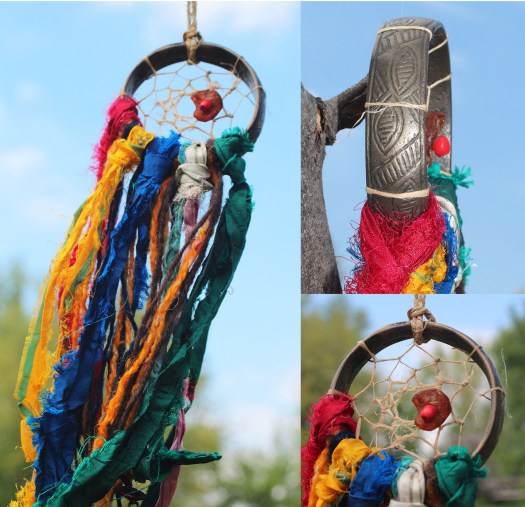
Tibetan Jewel CollageThe lands of Tibet hold a special place in my heart, that inspire much of my work. This dream catcher is no exception. The silks remind me of the prayer flags found among the Himalayan foothills, and the metal bangle and amber bead reminds me of the traditional adornments the Tibetan women wear to the horse festivals.

For those who are interested, this dream catcher is available in my shop!

Wisteria & Lilacs

wisteria-lilac ouside collage

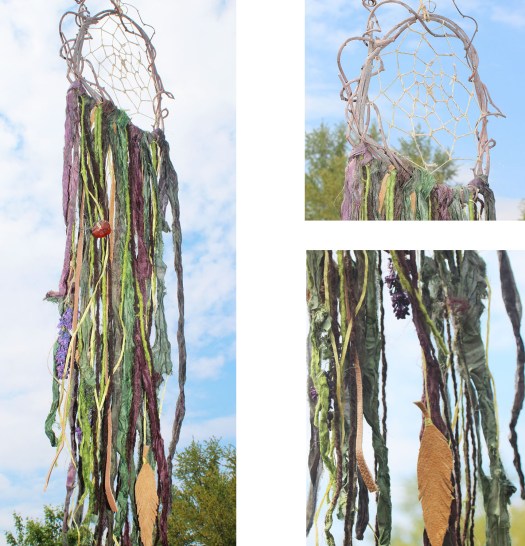
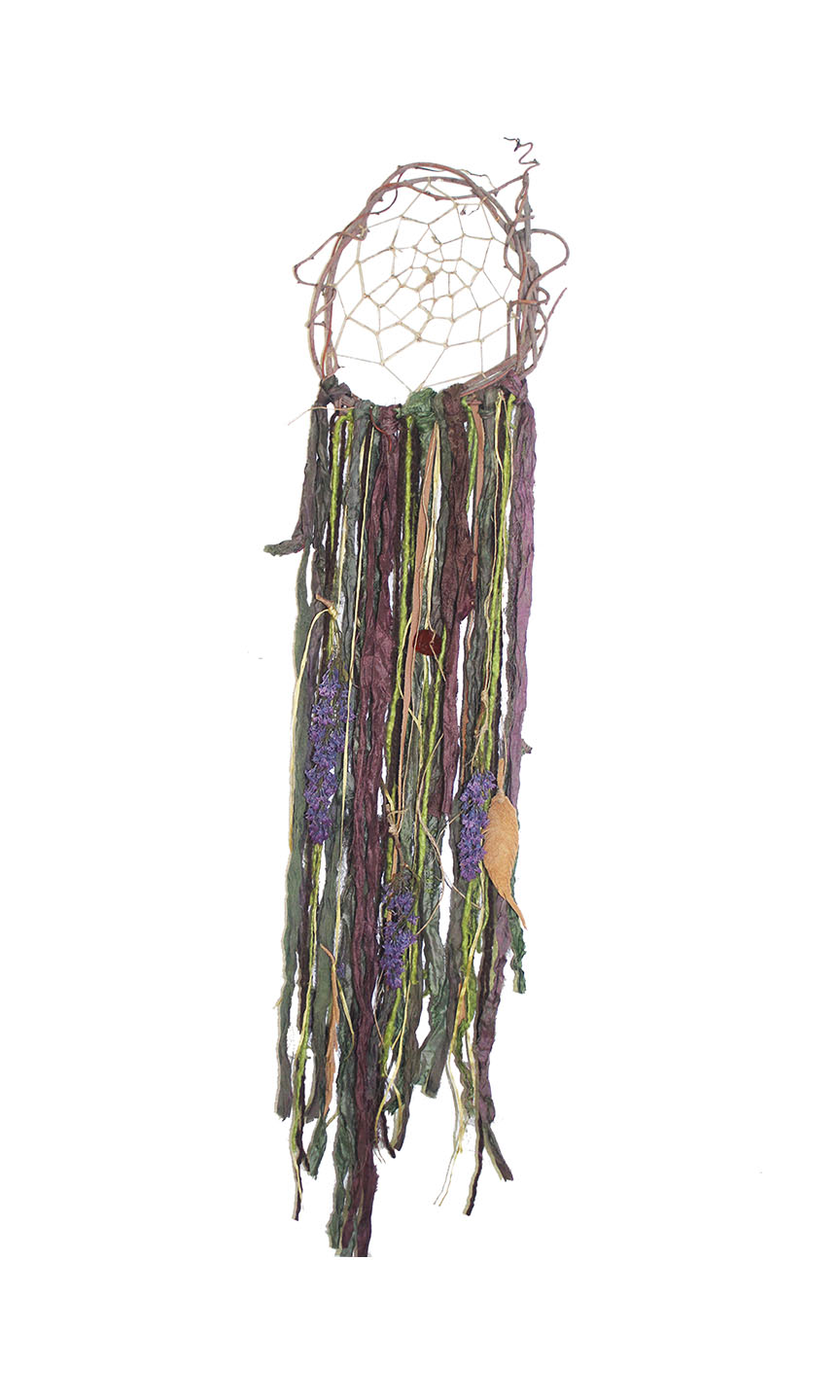
Dream catchers are something new for me that I am really enjoying making. What I love most about them, is the combination of textures, fibers, and nature.  I love the process of gathering together all the bits and pieces of what I find inspiring at the moment, and using them to create a piece of art.  I made this 6″ dream catcher over the weekend.  It is inspired by the month of May, the scent of lilacs in the air, and blooming wisteria.

Wisteria-lilac

If you are interested, it is available in my shop!

A sweater from 1969

Knitish
Knitish

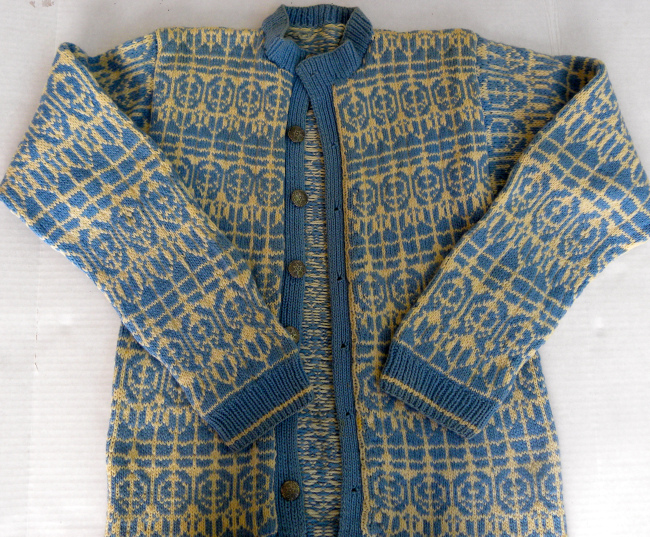
I read a blog post today from Knitish that shared with readers the reasons why this one sweater has become a most prize possession.  It reminded me of how textiles can hold such strong memories for us.  The feel of the fibers, the smells that are stored there as time keepers, the comfort that is felt. It is stories like these that make me love knitting so much.  Hand knit items are not just things that we use or are pretty to look at. Knitting absorbs life like no other medium, and holds the memories there in it’s fibers to be cherished for years to come.

Blackstone Tweed

When it comes to yarn, I admit that I am the biggest snob around.

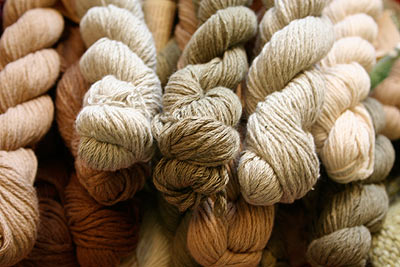
pakuchogroup400I avoid synthetic fibers like the plague.  I appreciate wool, but only for certain types of projects.  Cotton, also has it’s place, but I prefer to use linen.  I find fibers such as banana silknettle and flax, intriguing to work with. These fibers can add a lot of texture in a fiber art piece.  I enjoy working with silk.  It has great strength, is soft, and I like how it looks.  It has a nice drape, and is comfortable to wear in warmer weather.  Yarns like angora, and cashmere are extremely soft, but I find them to be lacking in strength and durability.

For most of my projects, I reach for my hand spun yak down.  I still think it is the best yarn around ( but, I may have a biased opinion).

Brookstone TweedHowever, another yarn that I have enjoyed using a lot is this Blackstone Tweed by Berroco. It is made of 65% wool, 25% mohair 10% angora, so it is quite soft, and durable.

I knit my daughter a ballet sweater with matching leg warmers when she was 4.  It was fabulous.

I also worked for years on a sweater that I called my anniversary sweater.  I had only worked on it while my husband and I were away celebrating our anniversary.  It was the only time I could relax and concentrate enough to follow the color charts without interruption from my little ones.  Once, I got the sweater to a place where I could try it on, I discovered that I had made it WAY to large.  Over those years I had been knitting the sweater, I also lost a lot of weight.  I should rip it apart and start again, now that my children have grown more and I can easily follow a color chart at home.

Do you have a “go-to” yarn that you reach for time and time again? What is it?