A sweater from 1969

Knitish
Knitish

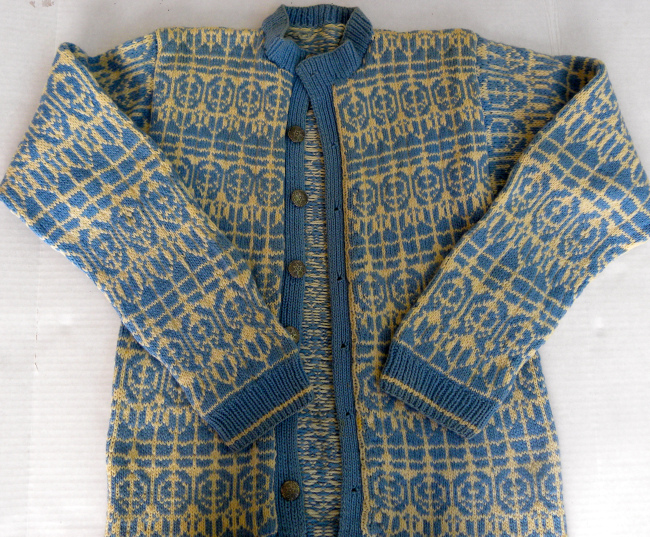
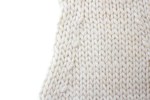
I read a blog post today from Knitish that shared with readers the reasons why this one sweater has become a most prize possession.  It reminded me of how textiles can hold such strong memories for us.  The feel of the fibers, the smells that are stored there as time keepers, the comfort that is felt. It is stories like these that make me love knitting so much.  Hand knit items are not just things that we use or are pretty to look at. Knitting absorbs life like no other medium, and holds the memories there in it’s fibers to be cherished for years to come.

Blackstone Tweed

When it comes to yarn, I admit that I am the biggest snob around.
pakuchogroup400I avoid synthetic fibers like the plague.  I appreciate wool, but only for certain types of projects.  Cotton, also has it’s place, but I prefer to use linen.  I find fibers such as banana silknettle and flax, intriguing to work with. These fibers can add a lot of texture in a fiber art piece.  I enjoy working with silk.  It has great strength, is soft, and I like how it looks.  It has a nice drape, and is comfortable to wear in warmer weather.  Yarns like angora, and cashmere are extremely soft, but I find them to be lacking in strength and durability.

For most of my projects, I reach for my hand spun yak down.  I still think it is the best yarn around ( but, I may have a biased opinion).
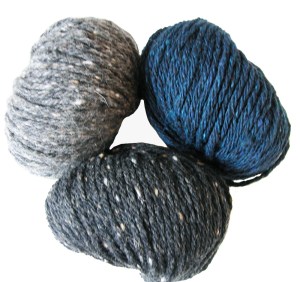
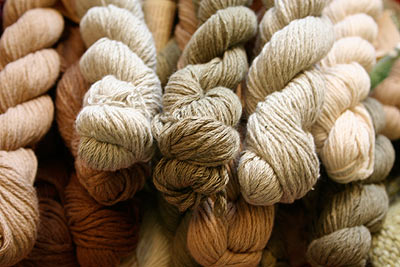
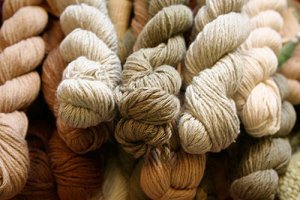
Brookstone TweedHowever, another yarn that I have enjoyed using a lot is this Blackstone Tweed by Berroco. It is made of 65% wool, 25% mohair 10% angora, so it is quite soft, and durable.

I knit my daughter a ballet sweater with matching leg warmers when she was 4.  It was fabulous.

I also worked for years on a sweater that I called my anniversary sweater.  I had only worked on it while my husband and I were away celebrating our anniversary.  It was the only time I could relax and concentrate enough to follow the color charts without interruption from my little ones.  Once, I got the sweater to a place where I could try it on, I discovered that I had made it WAY to large.  Over those years I had been knitting the sweater, I also lost a lot of weight.  I should rip it apart and start again, now that my children have grown more and I can easily follow a color chart at home.

Do you have a “go-to” yarn that you reach for time and time again? What is it?
Mandalas

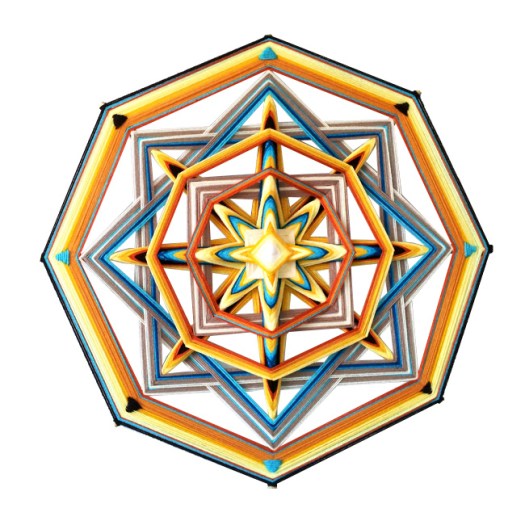
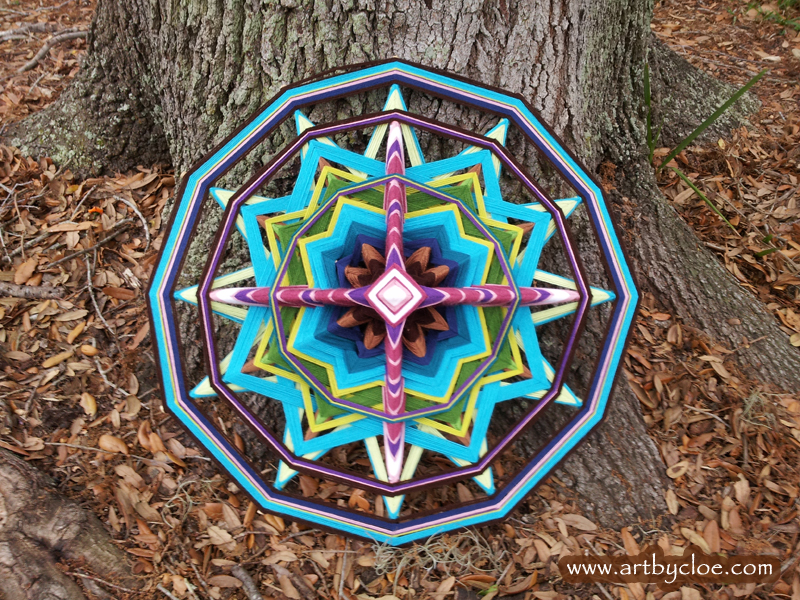
mandala-new-beginning-websI was looking around on Etsy the other day, when I discovered MandalaArtByCloe.  I was immediately drawn in by the bright colors, and contrasting designs of these mandalas.

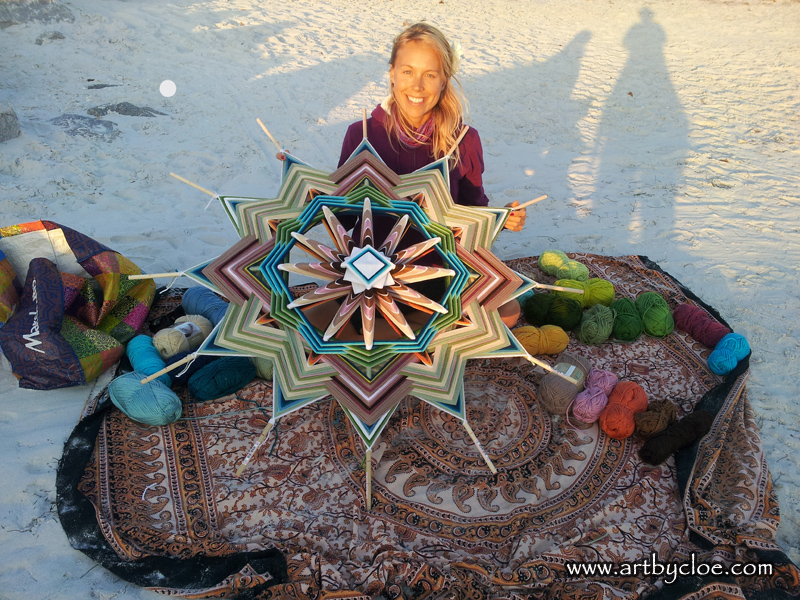
mandala-create-1The artist, Cloe lives in Amsterdam.  Her hand woven mandalas are inspired by the ancient mandalas of Tibet and Mexico where mandalas have been used for their calming effects on the mind.

earth-mandala2-copyThe icing on the cake for me, is the knowledge that a portion of every sale is given for the support of a Tibetan family and their guesthouse in Nepal.

lily-mandalaGo check out her website Art by Cloe!

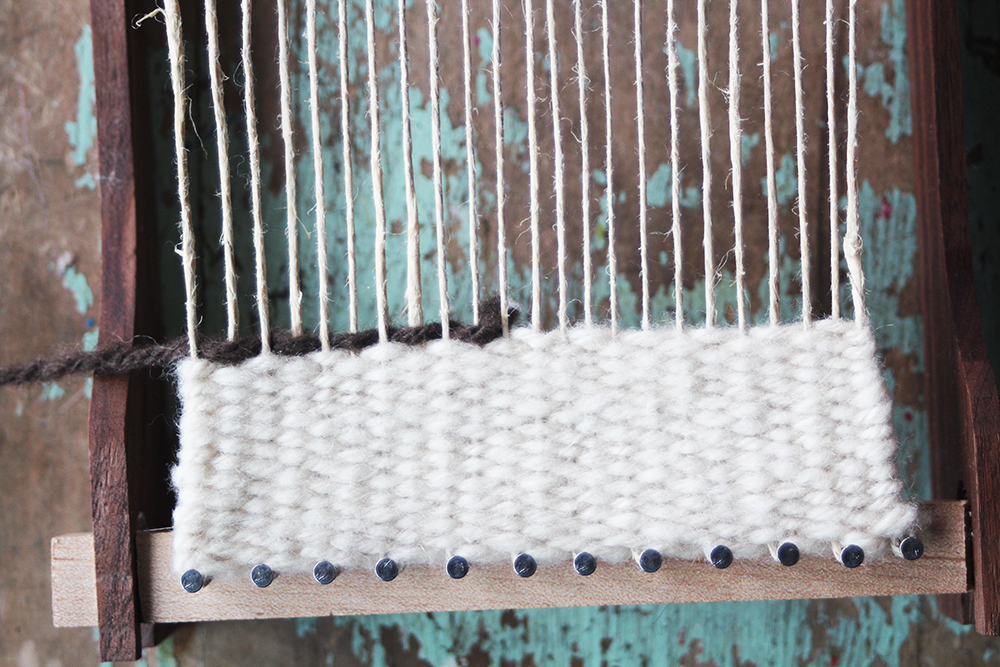
Warp & Weft = Life

life loom

My dear friend and mentor, is currently working to complete her master’s degree in social work. It has been her joy to find ways to use the fiber arts in her work.

How setting up the loom parallels to life

By Kim Hanes

Good evening…I was thinking throughout the week, as I was in and out of families lives how our lives are like a weaving. The warp is the “strength” of each weaving.  It is the foundation.  Just like our families and our community is our foundation.  If the foundation is strong, then the weaving is sturdy.  It is the same for us.  If we have a strong foundation, then we are able to be more resilient.

In contrast, if our ” warp” in weaving is not strong, our weaving will have holes, and is weakened. In life, if our foundation is weak, it easily breaks, and we have gap.  Sometimes I experience individuals that break easy.

The weft is like the lives we live.  The more colors and texture we have, the more variety we we have in life, the more beautiful the overall weaving becomes. However, if we do not have enough fiber, the weaving is never finish.  In this circumstance, it is hard to even visualize a final project. I have found that within families it is quite similar.  Without enough resources, such as friends, money, food, etc, it is hard to visualize a goal.  Working as a social worker in people’s  lives,  I can walk with them to seek more resources, teach them how to develop positive friendships, and find mentors.   I then see them start to set some goals.  The weaving develops into a beautiful piece of fiber art.  As we unravel life together, there are many lessons that lie in a ball of yarn.

Weaving Home

6a00d8341c8bd453ef017ee9e555a3970d-800wi
6a00d8341c8bd453ef017c382ae31a970b-800wi

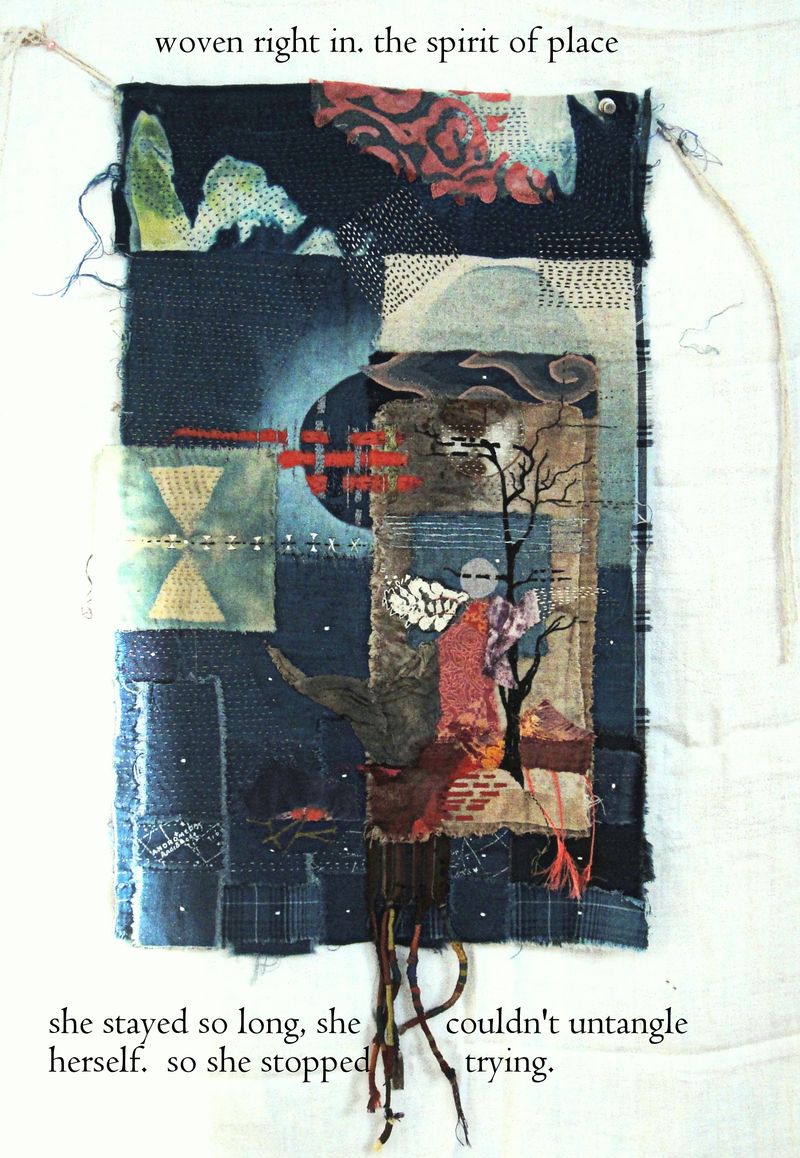
I have been enjoying reading Spirit Cloth, the blog of fiber artist Jude Hill for some time now. Last week she wrote a blog post that spoke to me.
She wrote:

I did this small weaving , maybe , well, too many years ago to remember.   And it was a little cloth  made to be what I imagined home to be like…  some place out in the middle of no where. Some where,  where living a simple life and breathing clean air and growing food would just be the way it  is.    I gave it to Mom and Dad long ago, because they imagined that too.  Although they never  really got there.   They made the place they lived in as close to it as possible.  Built a life on a dream.  That worked for them.

I live in a nice place, but I know I will leave.   Mostly about the cost of living but also other things too.   I am thinking of  doing a series of little tapestries  depicting this place.   Keepers of the  sense of it.   Before I go.   I still have a lot of bits of hand dyed wool.   Going grows closer.   I figure,  if I live long enough, maybe  a few more of these with a sense of  where I  end up might be nice as well.    Because  weaving has a bit of home  built into it  for me.   And  weaving yourself into a place really  says a lot about  Home .   Woven right in,  Unraveling,  Reweaving.   Holding together in the most basic way.    I hope that when I go, I will have sheep.   Or find  them nearby.  That would work out real fine.

Happy Spring

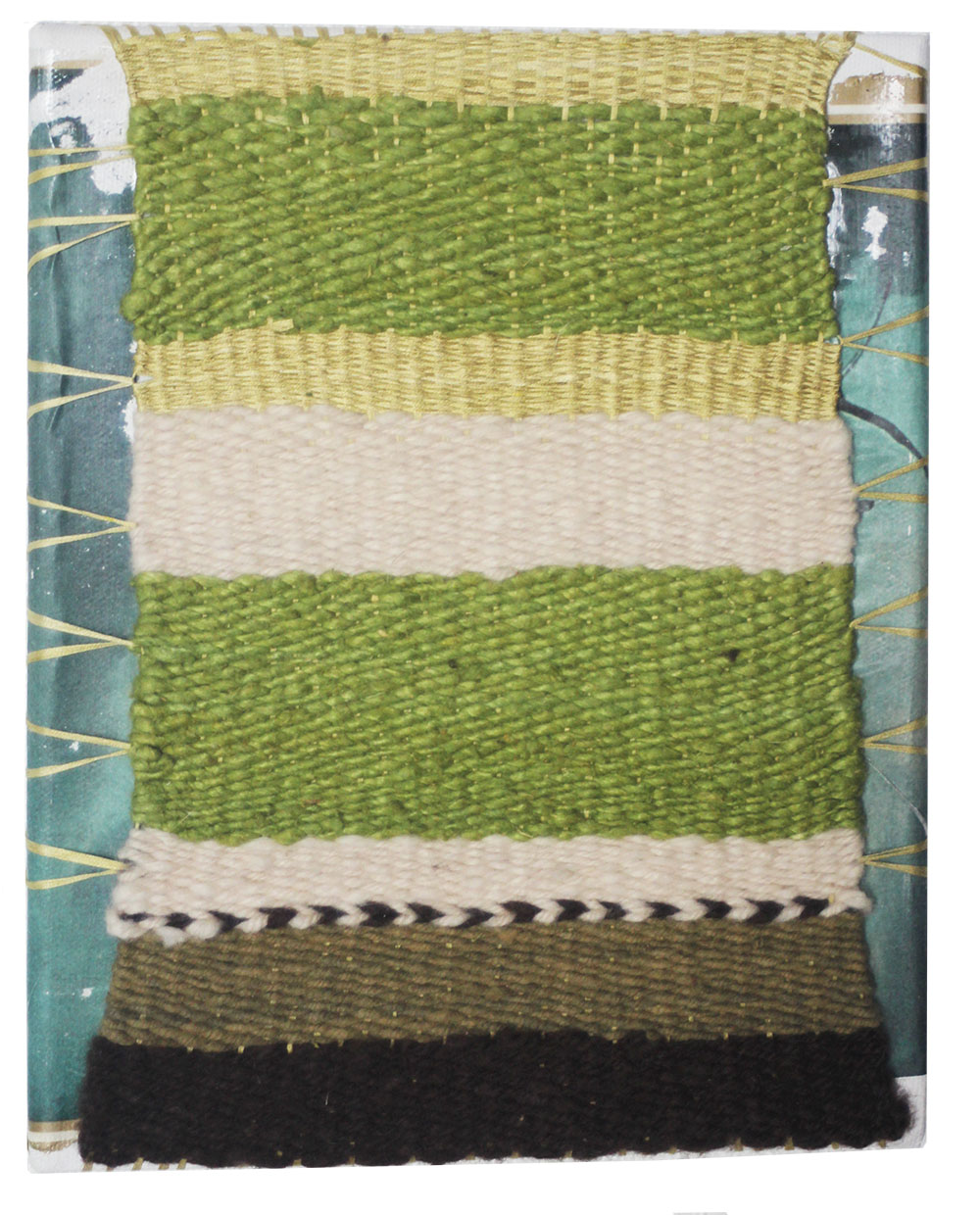
March WeavingThis is a wip & a bit of a sneak peek at a project I am doing.  It is a reflection of my thoughts on spring & my desire to see MORE green.

My Needle Cabinet

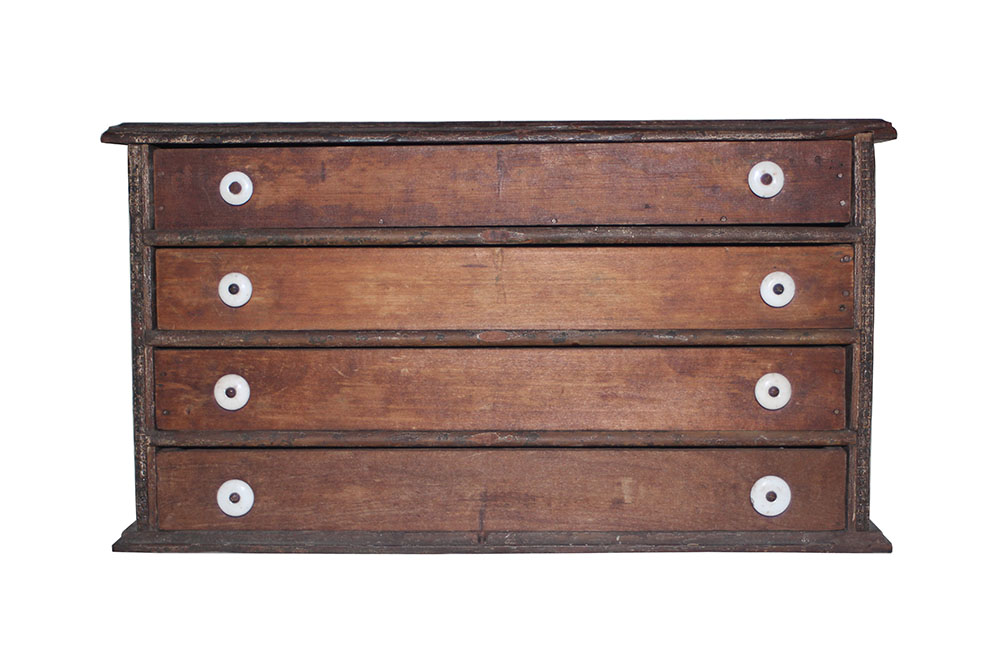
I love to go thrift store shopping. It is not uncommon for me to spend a couple hours scouring just one thrift store. I love the hunt. I’ll park myself in an isle & crouch down low to dig at the back of the shelves where other shoppers might take a glance down, but usually walk right past.  That is where the good stuff is hidden. But that is not where I found this. This cabinet was setting on table near the cash register. I glanced over in that direction in search of a clock & there it was. From across the room, I heard it call my name.  I made a beeline over to the table & scooped it up in my arms. It was love at first sight.
knitting cabinetToday, this perfectly rustic cabinet sets on my shelf & proudly holds all of my knitting tools.

drawer 1

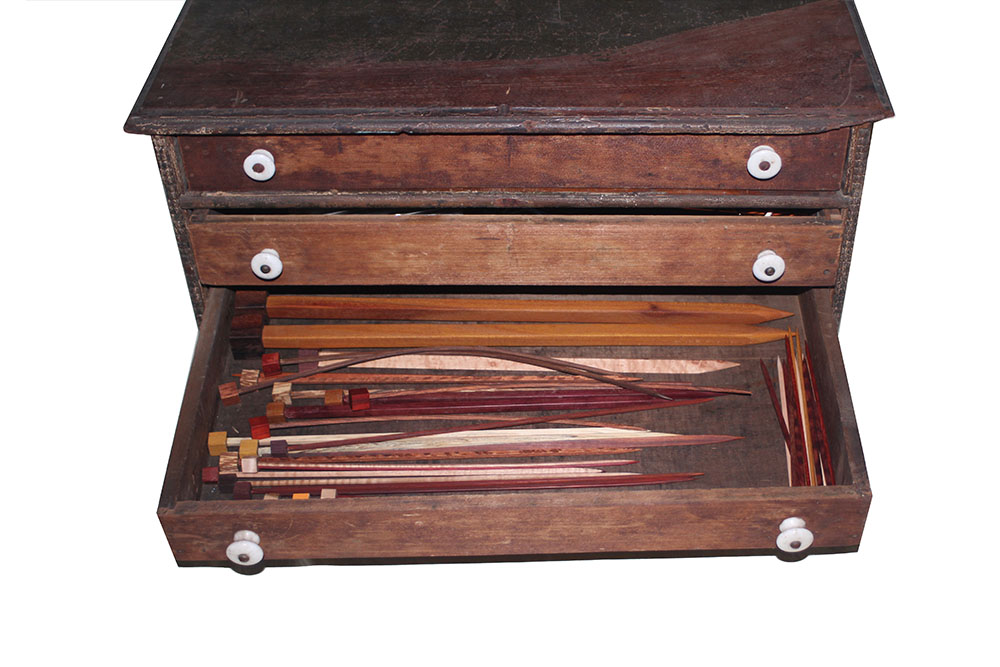
drawer 2It’s drawers are the perfect size for storing all my knitting needles.  This is my collection of needles made by Joes Fiber Tool.

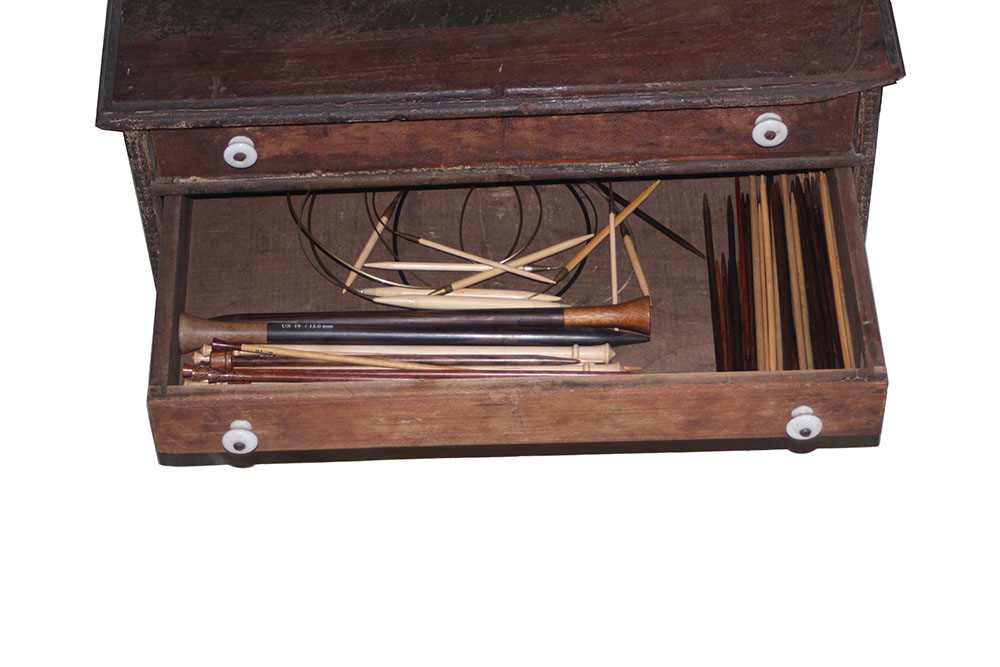
Drawer 3I realize this may not be the most efficient way to organize my knitting needles.  The truth is, I love all of my needles, I like to look at them, I like how they feel, & I enjoy digging through them to find the right needle that I need. I’ve seen all kinds of different ways that people have their needles organized, but having ADD, I know that none of those systems would work for me.  I’m a dump & run kind of girl, so this is what works best for me.  How do you keep your knitting needles organized?

TKGA Master Knitters Level 1: Swatches 7-9

7956973104_a65e1ed837_z

When I first received the program in the mail & started reading through it, I felt overwhelmed & unsure about where & how to begin.  If I hadn’t been working through the program with a friend, I would have struggled & probably wouldn’t have enjoyed it much.  Having someone to talk to about the program, & to work together made a big difference for me. There are questions that my friend & I asked each other, & we scoured the internet together for examples from others who have also worked through the program. I want to be that resource for others.  In this series I will describe what skills a knitter needs to know about & helpful resources that can be used in answering the questions. I will  share pictures of my swatches, & the feedback I receive after my swatches have been reviewed. I hope that this series will be a companion for those working through the program.

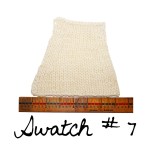
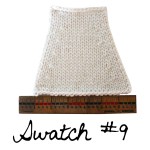
Swatches 7-9 are designed to demonstrate your knowledge of decreases.  You will need to know how to decrease using K2tog, SSK, SKP, KSP.  Some of these stitches created a right slanting decrease & the others create a left slanting decreases.  You will need to know which is which & how to use them to create a mirrored decrease. You will also need to know the  difference between SSK and K2tog (Blended) & K2tog and SSK (Full-fashioned) decreases.

When answering the questions that correspond with these swatches * “Decreases Part 1” by Arenda Holladay. Cast on Spring 2005: 22-24 is a helpful article to read.

*These articles are only available to TKGA members.