Round up: Camping

Happy August to you.

We’re going camping this weekend & I can’t wait! See you back here next week.
camping

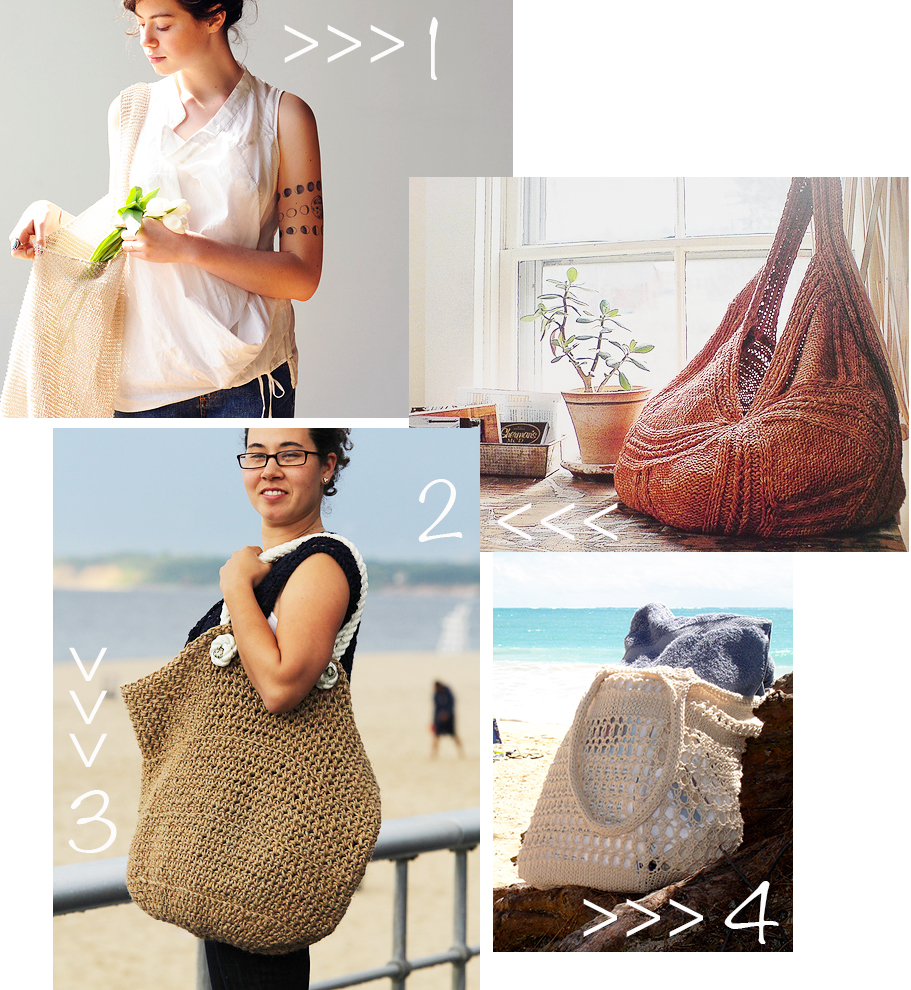
1.  Playin’ Hooky Disc by Liz McQueen

2.  Burr by Veronik Avery

3.  Camp & Trail Socks by Lydia Gluck

4.  Rugged Camper Cookset by Marie Greene

5.  Ledge Trail Vest by Elizabeth Smith

6.  Twisted Ankles by Lee Meredith

7.  2-tier Picnic Organizer by Uma Padu

[] :: [] :: [] :: [] :: [] :: [] :: [] :: [] :: []

camping yarnCamp yarn holder tutorial

Snake Grass Weaving

This is a great project to do with kids while camping!

Snake Grass Weaving

Materials

Snake grass likes a lot of moisture, so look for it near wet areas like creeks, rivers, lakes, ponds, and marshes.  You will only need one long one that has at least 3 sections to it.

Yarn

Scissors

Yarn needle (optional)

1. Find a strong reed of snake grass and take it apart into it’s sections.   Make sure that it is big enough to fit the yarn inside.

2. The center of each section has a small “plug”.  I was able to use my scissors to scrape it out.  You could also use, a yarn needle or even a small piece of driftwood. You’ll find that each section also tapers a little where it joined the section below it. I used my scissors to cut of this section making it easier to slide up and down my yarn.

3.  Decide how wide you want your weaving to be.  The more strands that you have, the wider the weaving will be. Cut the yarn to the desired length and tie all the strands  together. Thread each strand of yarn through one section of snake grass.

4. Tie the working yarn to the last strand, and begin weaving.  When you are running out of snake grass, simply slide each section down to provide more work space.

When you have finished, pull the snake grass off and tie the ends together.  I just used one big knot to finish, but if you are doing a wider weaving, you may want to do several smaller knots across the bottom.

Have fun!

Fireweed at Exit Glacier

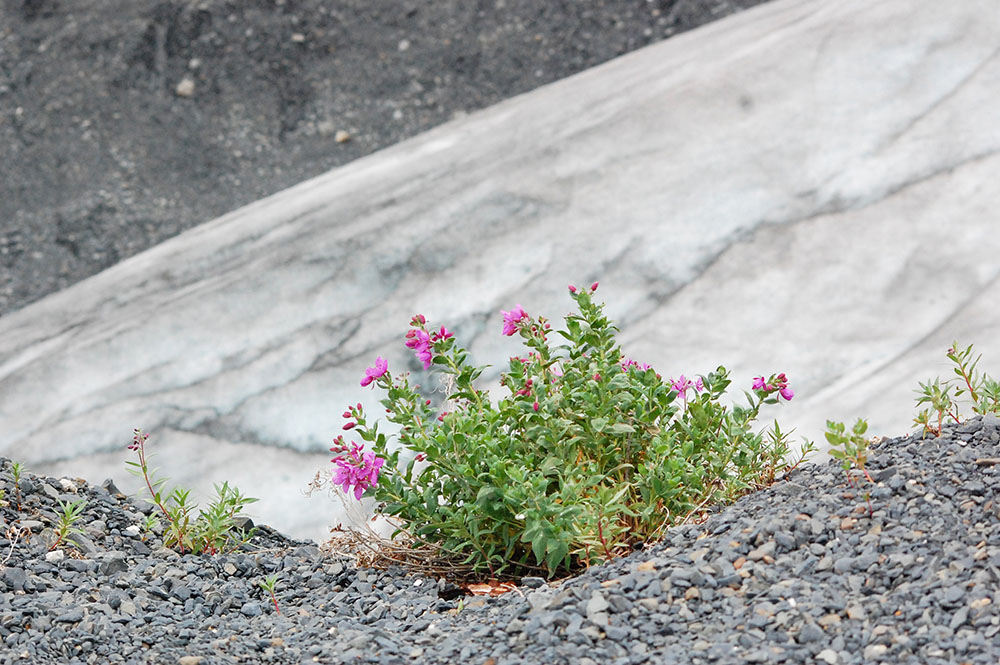
flower-glacierAs the glacier at Kenai Fjords continues to recede, it leaves in it’s wake a desolate landscape of steep cliffs and jagged rocks.  However, over time, plants do begin to grow, and Fireweed is one of the first plants to lay down roots.
IMG_6601
IMG_6602

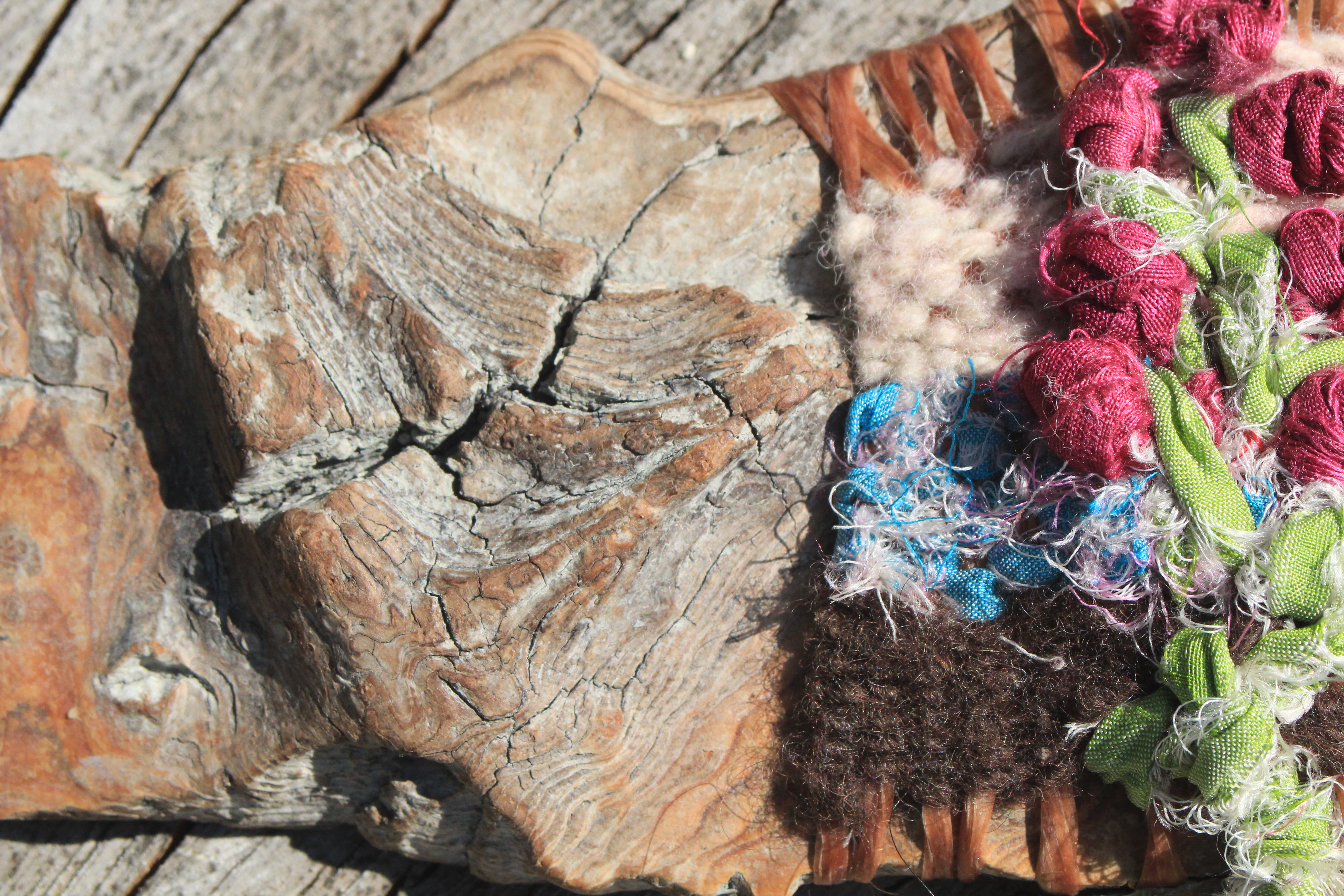
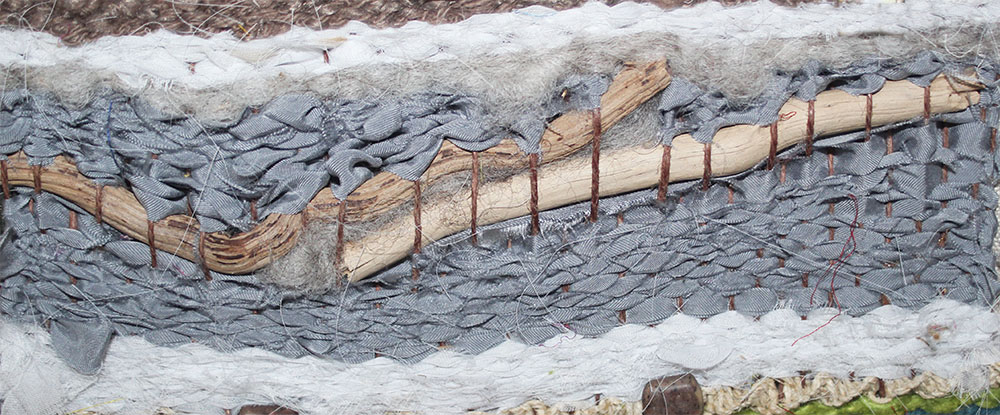
Driftwood in Fiber Art

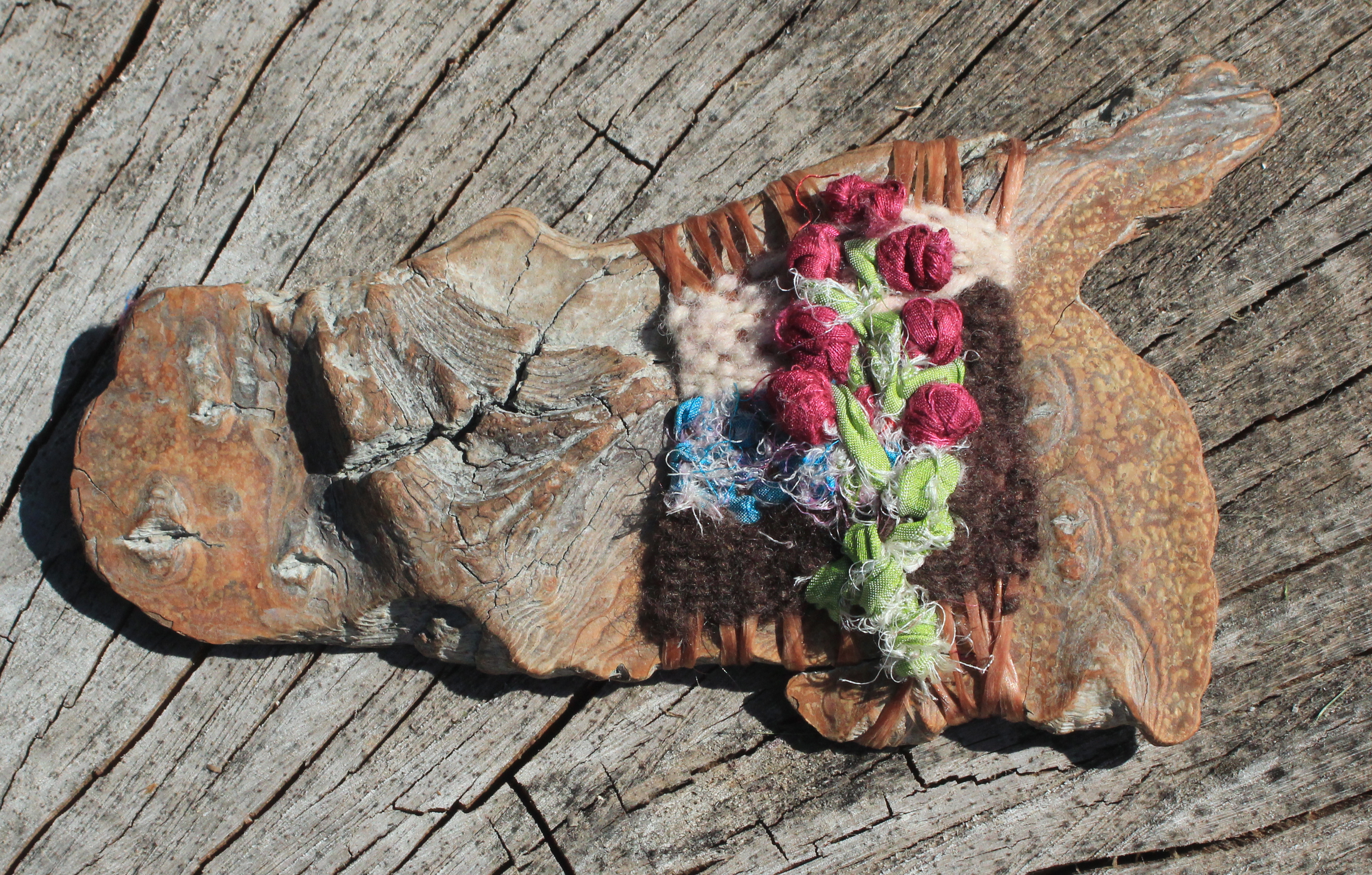
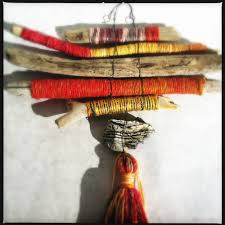
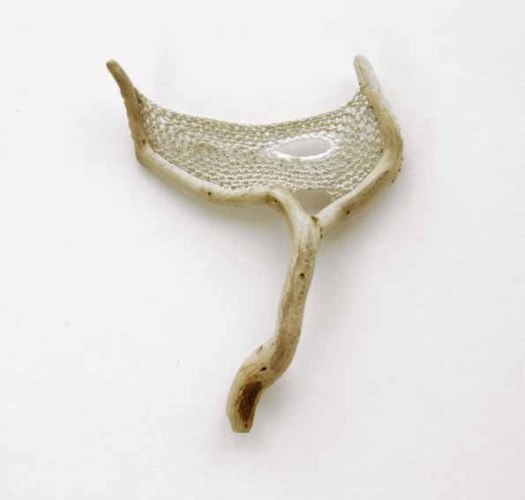
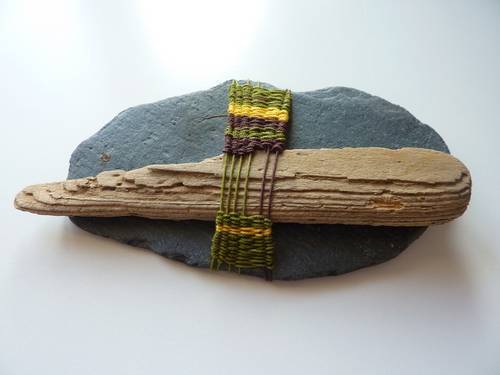
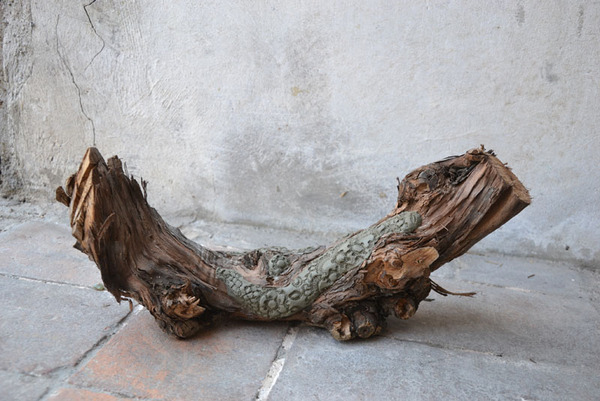
There are so many inspired ways to use driftwood in any art form. From sculpture, to painting, to fiber art, the possibilities are endless.  Just type “driftwood art” into a google search and look at what comes up.  Be warned, however, it is tempting to spend all day looking at what artists are creating with driftwood.
imagesby April Rose

Dance-smallby Susanna Bauer

80480_28Mar12_slate4by Tekky on Craftster

Driftwoodby Carrie Beachey (a sneek peek)

NeSpoon

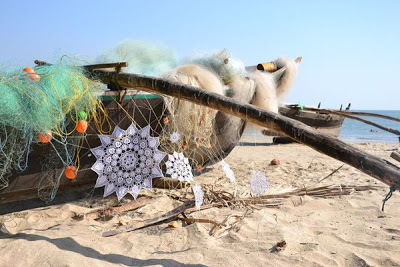
470a46c9d38ba61289b7286f304e1a04I first came across this image on the internet a year or more ago.  I was instantly inspired by it and used it as a desktop image for a long time.  It got my wheels turning, as I  thought about ways I could do something similar on our favorite beach.

a312fd478d6b21b1287bc76128e7e853It only seems fitting that I share some of this artists work with you here as I begin looking at driftwood in the Creating with Nature series.

NeSpoon_Goa_02The artist creating these art installations goes by NeSpoon and is from Warsaw, Poland. Much of her work is street art, but she also enjoys bringing her urban touch to the beach. Her work can be found all over the world.  Here is an installation she created in Goa, Indiana.

e9355506639b6e83e5c1fdbb0bc6f676

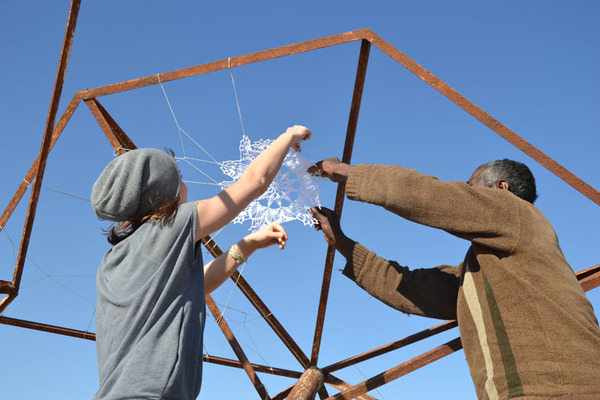
Mr. Sajid is a homeless man living on the beach in the Sinai.  Here, the two of them are working to add some art to his home.  More pictures of this installation can be found here.

I am a long time admirer, and avid scouter for street art.  I am the only person I know who actually enjoys waiting for a train to cross.  When you live in rural America surrounded by small towns, trains are the best place to find awesome street art!  Anyway, I am greatly inspired by this artist in her way of combining street art with fiber art.

4c17c28c6cdf213569a6e4ec67e862d8 05f52585d5fb57001e992ad67f54dc0d. . . and this is just awesome. . .

3d21e8937a3e6477e128f0e6307619ba

World Wide Knit In Public Day

wwkipeurope

June 8th – 16th, 2013

World Wide Knit in Public Day is the largest knitter organized  event in the world!

This year the event has been extended to a week in order to allow people all over the world to participate. It starts this weekend!

You can register for free on their website.  Once you have, you will gain access to a directory of groups knitting in public.  Look for one in your area and join the fun.

A Yarn Holder for Camp

camping yarn

Throughout the summer months, we try to spend as much time as we can outdoors.  Our families LOVES going to the beach, camping, having backyard fires, canoeing, and biking to name just a few things on our list of activities to do this summer.  As summer vacation has been approaching, I’ve been working on a plan for keeping the kids entertained.  It’s clear to me that we will be spending a lot of time going from one adventure to another.  This means that my knitting will also be going from one adventure to another.  In order to keep my yarn untangled and clean, I made a yarn container to use while on the go.

These containers are great.  They are easy to make, don’t require any fancy supplies.  They can be made while on the go or in a pinch.  I consider them essential, to the summer survival of any knitter.

Here is how I made it.

Supplies

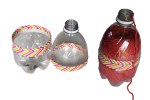
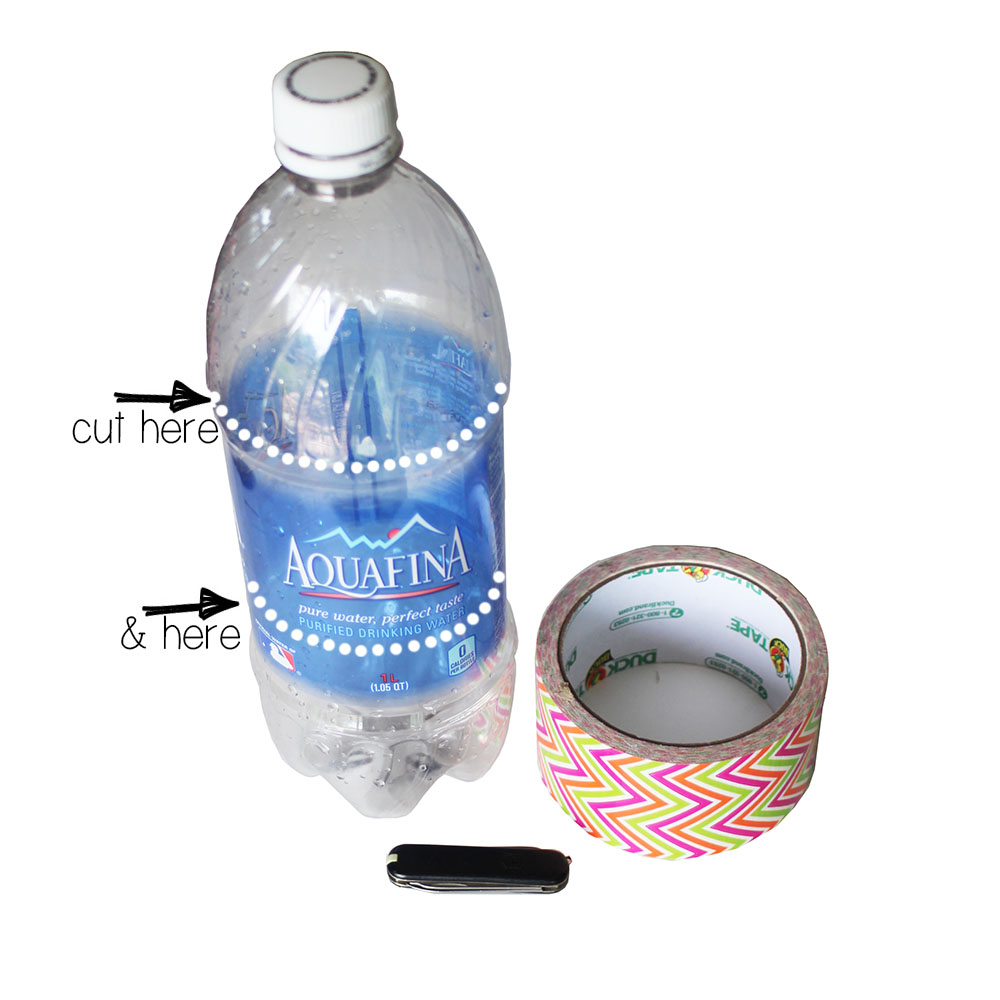
Yarn holder suppliesYou will need 1 plastic bottle, a pocket knife (or scissors), and some duct tape.

Directions

1. Clean out the inside of your plastic bottle, and take the label off.  Goo Gone can be helpful for getting any remaining glue off the outside of the bottle.

2. Cut the top portion of the bottle off.  You want to look for a place where the bottle is at it’s widest so it can easily slip over the bottom portion.

3. Cut off the bottom portion of the bottle.  Here you want to find a place that is narrower than the top portion.  Make your cut so that there is a 1/2″ section that easily slips inside the lid so that the 2 portions of the bottle over lap.

4.  The cut edges can be fairly sharp. It is a good idea to cover them with duct tape so you don’t accidentally hurt yourself.  The duct tape also can add a little bulk to the overlapping edges, making the lid fit snugly on top of the bottom portion.

yarn holder tapeI needed to add some bulk to the cut edges of mine, so I tore a strip of duct tape that was 1/3 of the full width of tape.  I wrapped this 1/3 section around the outside of the cut edge.  Then, I took the remaining 2/3 piece of tape, and wrapped it around the outside too (on top of the 1/3 section). There should be a portion of the duct tape sticking up beyond the plastic bottle.   Cut slits around the top portion of the tape that sticks up, and fold the tape over the cut edge.

5.  Do this again for the lid.
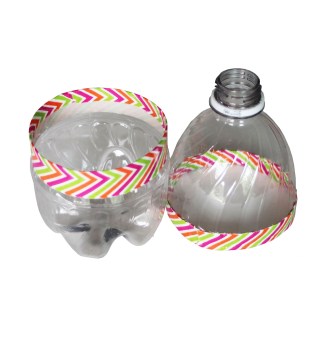
yarn holder top and bottom